Independent and informational
What does a UK casino not on GamStop actually mean?
 Available in GB
A plain-language look at offshore casinos that sit outside the UK self-exclusion scheme, what the law says, where the real risks are, and how to find help.
The short version before you read on
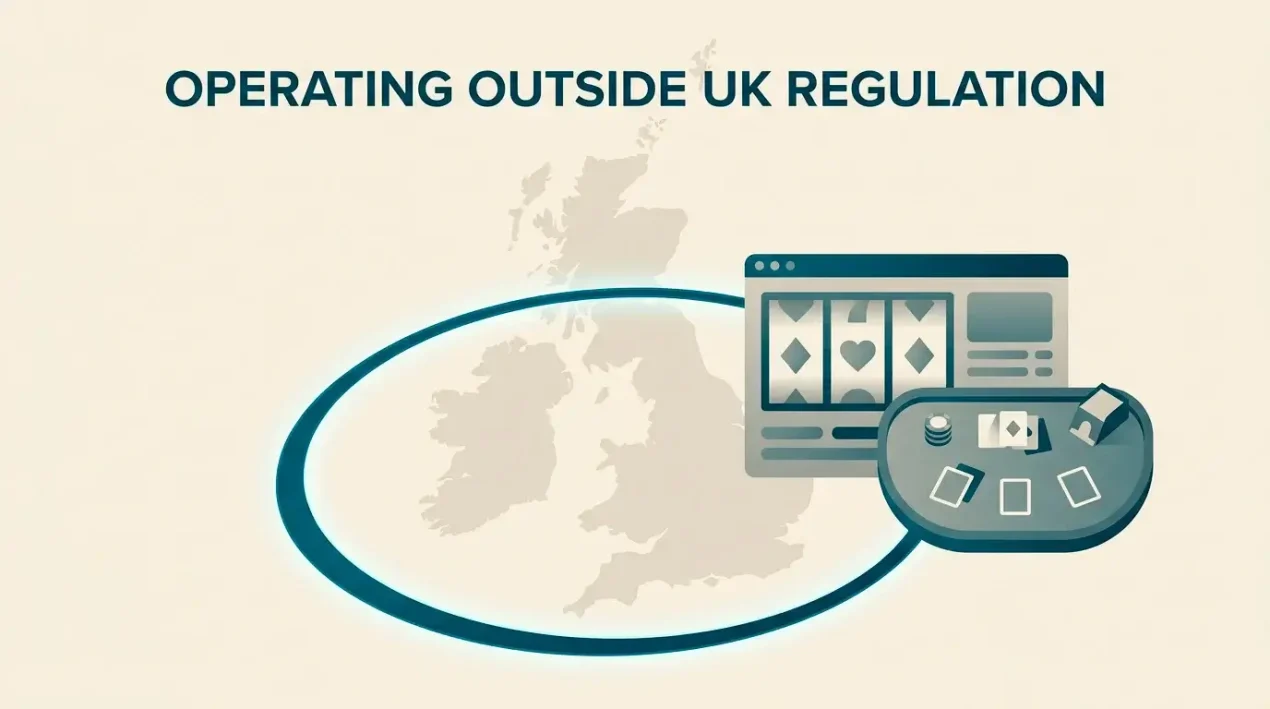
- A casino "not on GamStop" is an online operator licensed outside Great Britain, so it holds no UK Gambling Commission (UKGC) licence and is not connected to the national self-exclusion scheme.
- For a UK player, using one is not a criminal offence. The duty to be licensed falls on the operator, not on you.
- You play entirely outside UK protection: no UKGC for disputes, no required fund segregation, no affordability checks and no stake limits.
- GamStop launched in April 2018 and, by the end of 2025, more than 562,000 people had registered with it.
- If you are self-excluded and feel pulled to gamble, this guide points you toward the legitimate route out and layered support, not toward a workaround.
Offshore operator profiles, assessed not ranked
The tables you usually see for this search rank casinos as "best" or "top". This one does not, and on purpose. Specific brands in this space change owners, payment partners and licences constantly, and a site listed today as accepting UK players may not accept them next month.
So the comparison below groups operators by the licence they sit under rather than by name. Each row is a profile you are likely to meet, and each one carries at least one objective risk marker. Treat it as a way to read these sites with clear eyes, not as a shortlist.
| Operator profile | Licence / jurisdiction | Typical founding era | Key characteristics | Risk profile | Details |
|---|---|---|---|---|---|
| Curacao-licensed casino | Curacao (CGA, after the December 2024 reform) | Many 2018 to 2024 | Large slot libraries, crypto and card cashiers, sizeable sign-up bonuses | No UKGC oversight; no UK fund segregation; disputes handled under Curacao rules | Curacao and Anjouan licences |
| Anjouan-licensed casino | Anjouan (AOFA), Comoros | Mostly post-2022 | Fast onboarding, crypto-first deposits, aggressive promotions | Newest, lowest-cost tier; limited dispute recourse; no capital or insurance guarantee for player funds | offshore jurisdictions |
| Malta (MGA) operator outside UKGC | Malta Gaming Authority | Established brands | Stronger anti-money-laundering and complaint handling than cheaper bases | Still no UKGC recourse; GamStop does not apply; rarely accepts UK players in this segment | safety and KYC |
| Gibraltar-licensed operator | Gibraltar Regulatory Authority | Established | Reputable European base, mature operators | Outside UK self-exclusion; UK affordability and stake rules do not apply | which licence they hold |
| Isle of Man-licensed operator | Isle of Man Gambling Supervision Commission | Established | Crown-dependency oversight, B2B and B2C presence | No GamStop coverage; player protection differs from UK rules | how to assess offshore operators |
| Brand on listicles but no longer serving the UK | Varies, often changed | Listed as older brands | Still appears on third-party "non-GamStop" lists | Operating company and licence may have changed; may not accept UK players at all | casinos not on GamStop compared |
This table is informational and does not recommend any operator. Details in this space are volatile and should be re-checked against the operator and the relevant regulator before you rely on them. Nothing here is an endorsement to play.
Independent tool
The Forfeit Index
Six safeguards apply to you on a UK-licensed site. Set out the site you are weighing up and see how many survive, what it leaves unprotected, and how fast a balance burns once the stake cap is gone.
- GamStop self-exclusion reaches the siteGone
- Independent route for a disputePartial
- Your balance protected if the operator failsGone
- Financial vulnerability check at £150 net loss in 30 daysGone
- Slot stake cap of £5 a spinGone
- Credit cards blocked for gamblingGone
Balance with no UK protection
£200Recovery depends on the operator, not the UKGC
Expected loss per hour
£2402.0x the rate a UK cap would allow
How long the balance lasts
50 minUnder UK rules: 1h 40m
No UK-backed protection of your balance, and disputes are handled under Curacao rules rather than by the UKGC. Every consumer safeguard listed above has fallen away.
Method: expected loss assumes 600 spins an hour at the chosen RTP, so the figure is an average over time and not a prediction of any single session. Real variance is far wider in both directions. Scoring reflects the safeguards attached to each licensing regime, not the conduct of any individual operator, and this tool recommends no site. If gambling is causing harm, the National Gambling Helpline is free on 0808 8020 133, or see GamCare and GamStop.
What does "not on GamStop" really mean?
GamStop is the United Kingdom's national online self-exclusion scheme. It is run by The National Online Self-Exclusion Scheme Limited (NOSES), branded the Gamstop Group, and led by chief executive Fiona Palmer.
The mechanism is simple. When you register, your details are shared with every operator that holds a UK Gambling Commission remote licence, and each of them is legally required to block you from opening or using an account for the length of your exclusion.
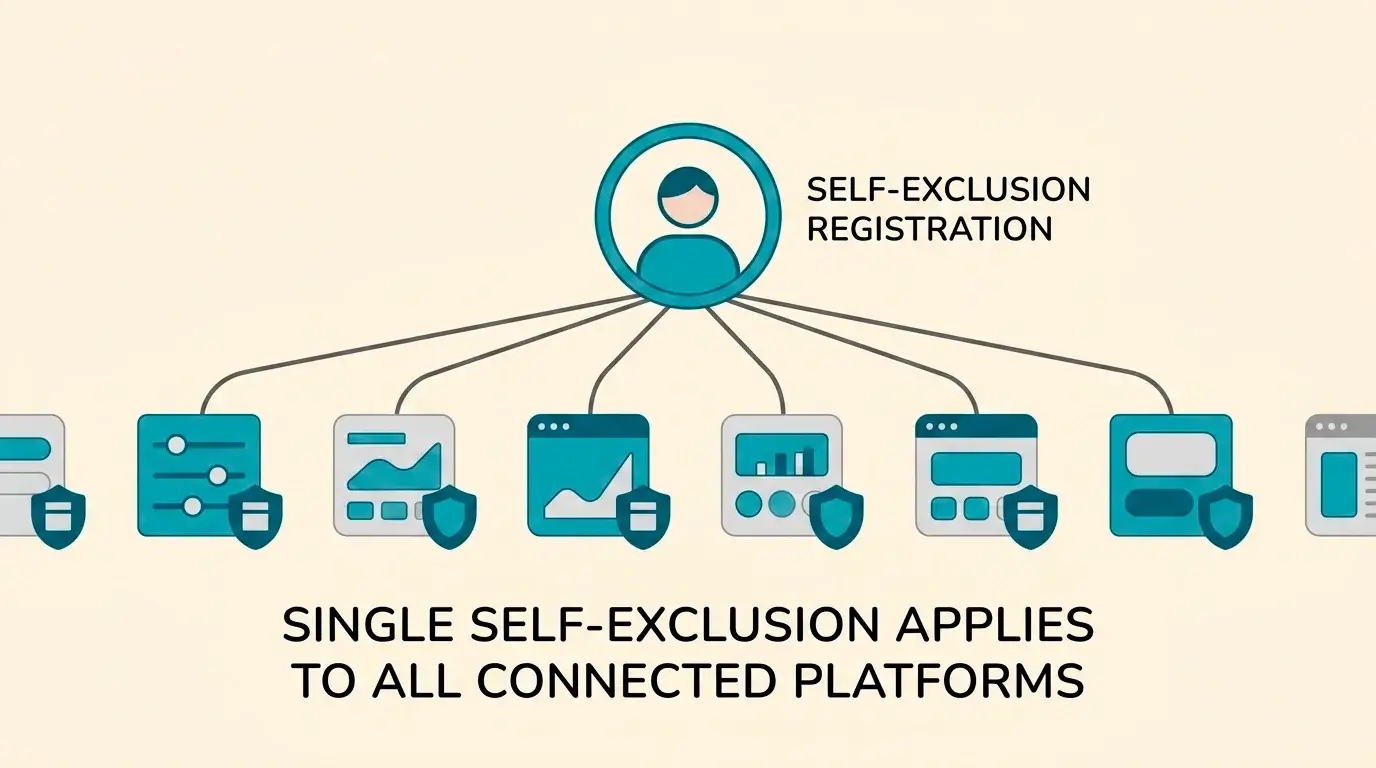
Here is the part that defines this whole topic. GamStop only reaches operators that hold a UKGC licence. It covers every British-licensed online casino, betting, bingo and poker site, but it does not cover land-based venues, the retail National Lottery, or, crucially, sites licensed outside the UK.
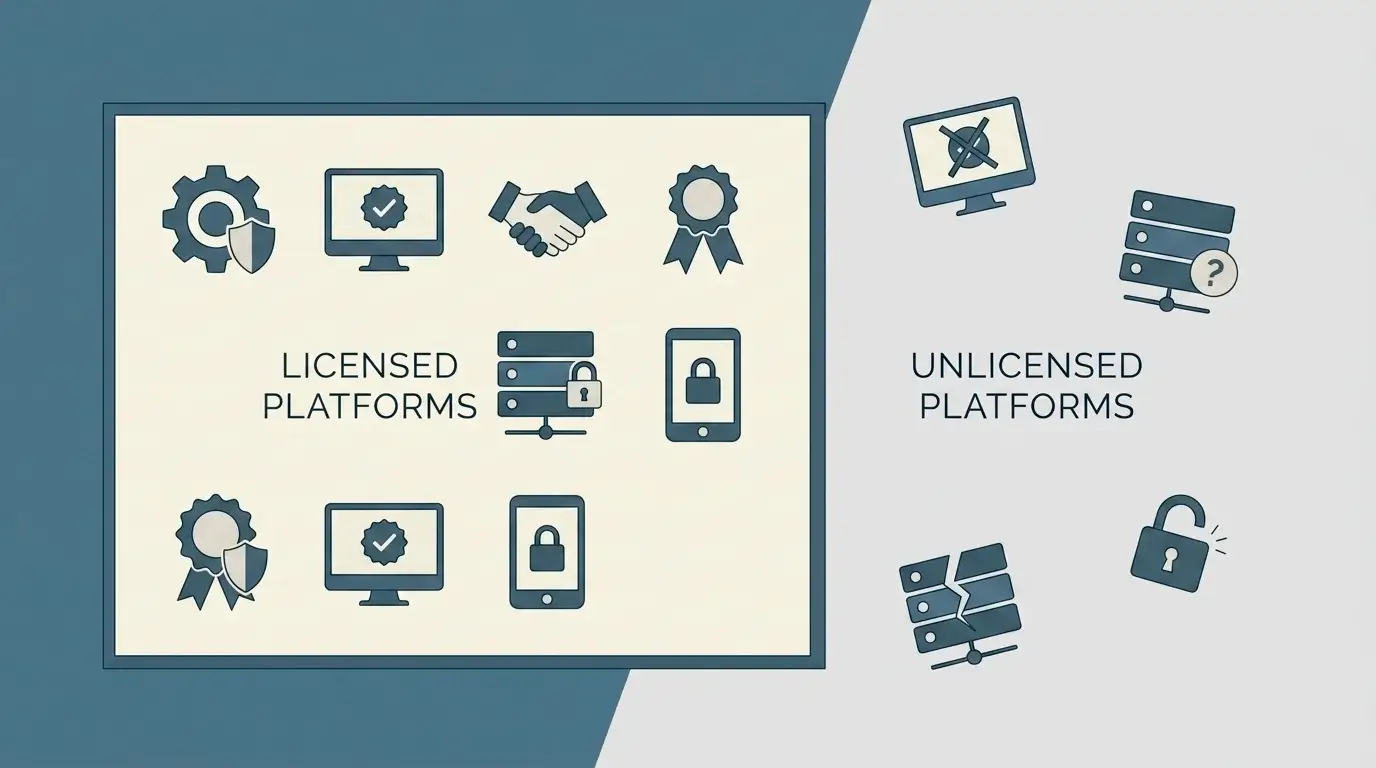
That technical gap is exactly what "not on GamStop" describes. These are offshore casinos that, because they carry no UK licence, never sit inside the scheme. You can read the full mechanism on the page about how GamStop works.
Key point
"Not on GamStop" is not a feature an operator adds. It is simply a description of any casino that holds no UK licence, which is why the self-exclusion scheme can never reach it.
Is it legal to play at casinos not on GamStop in the UK?
For the player, the short answer is yes. There is no law in the UK that criminalises a British adult for gambling on a site licensed in another jurisdiction. The licensing duty sits squarely on the operator.
The operator side is governed by the Gambling Act 2005, in force from 2007. Providing facilities for gambling without the required licence is an offence under section 33 of that Act.
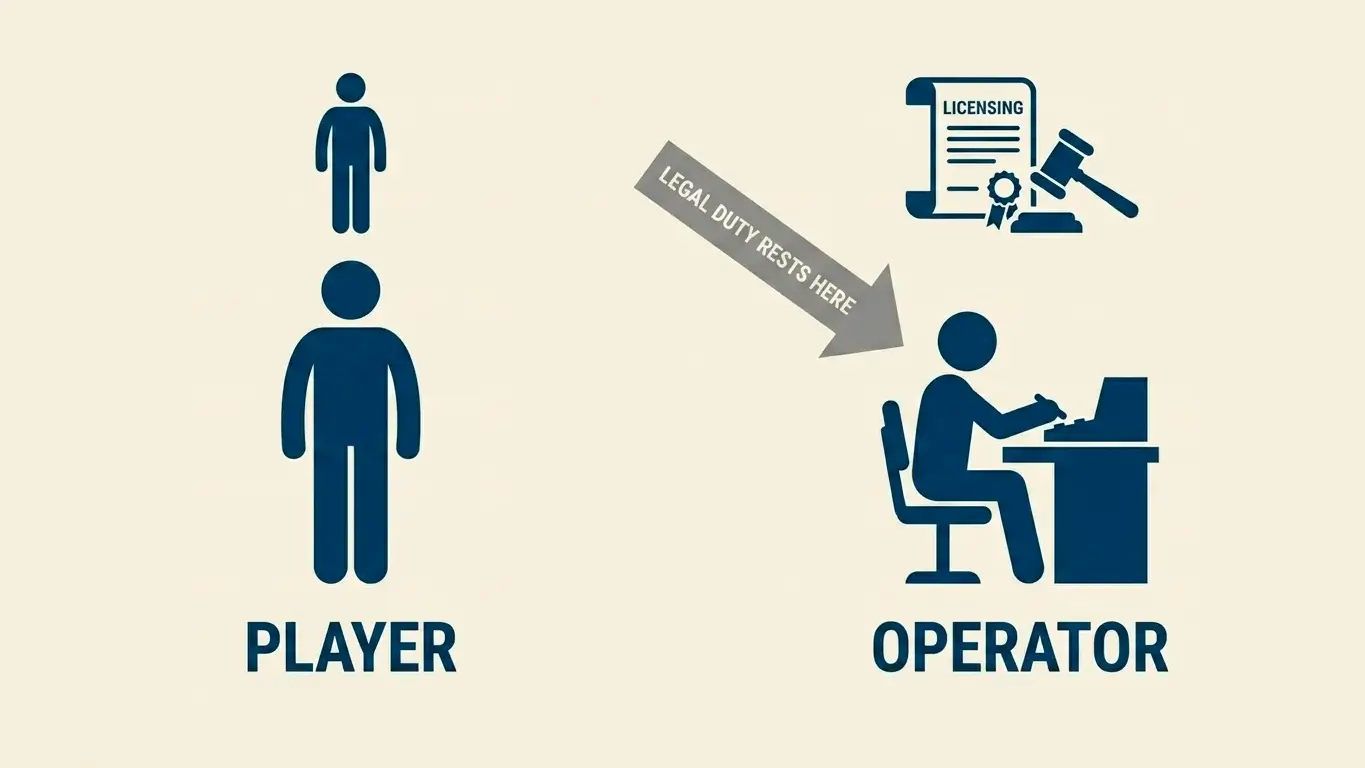
The Gambling (Licensing and Advertising) Act 2014, in force from 1 November 2014, closed the so-called offshore loophole. Any remote operator serving the British market must hold a UKGC licence wherever it is based, and advertising unlicensed remote gambling is restricted.
The honest distinction that most listings blur is this: you break no law, but you play entirely outside UK protection. There is no route to the UKGC in a dispute, your funds are not segregated under British rules, and UK affordability and stake controls do not apply. The full picture is on the page about whether it is legal status for UK players.
First sources: Gambling (Licensing and Advertising) Act 2014, c.17 (legislation.gov.uk) and the UK Gambling Commission guidance on primary legislation.
Which licences and jurisdictions sit behind these casinos?
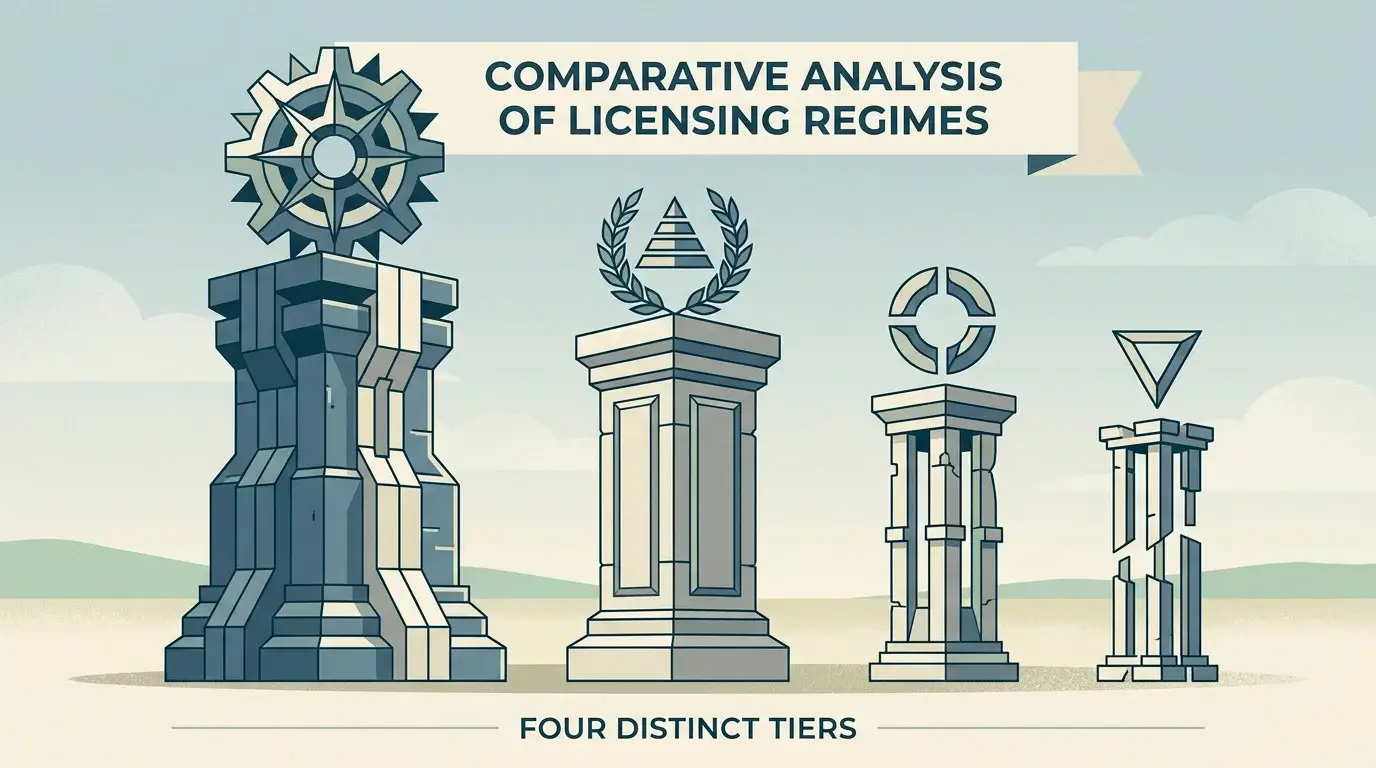
"Licensed" is not a single badge. It is a spectrum, and the gap between the strictest and the cheapest jurisdictions is wide. Knowing which one an operator sits under tells you a lot about how much protection you actually have.
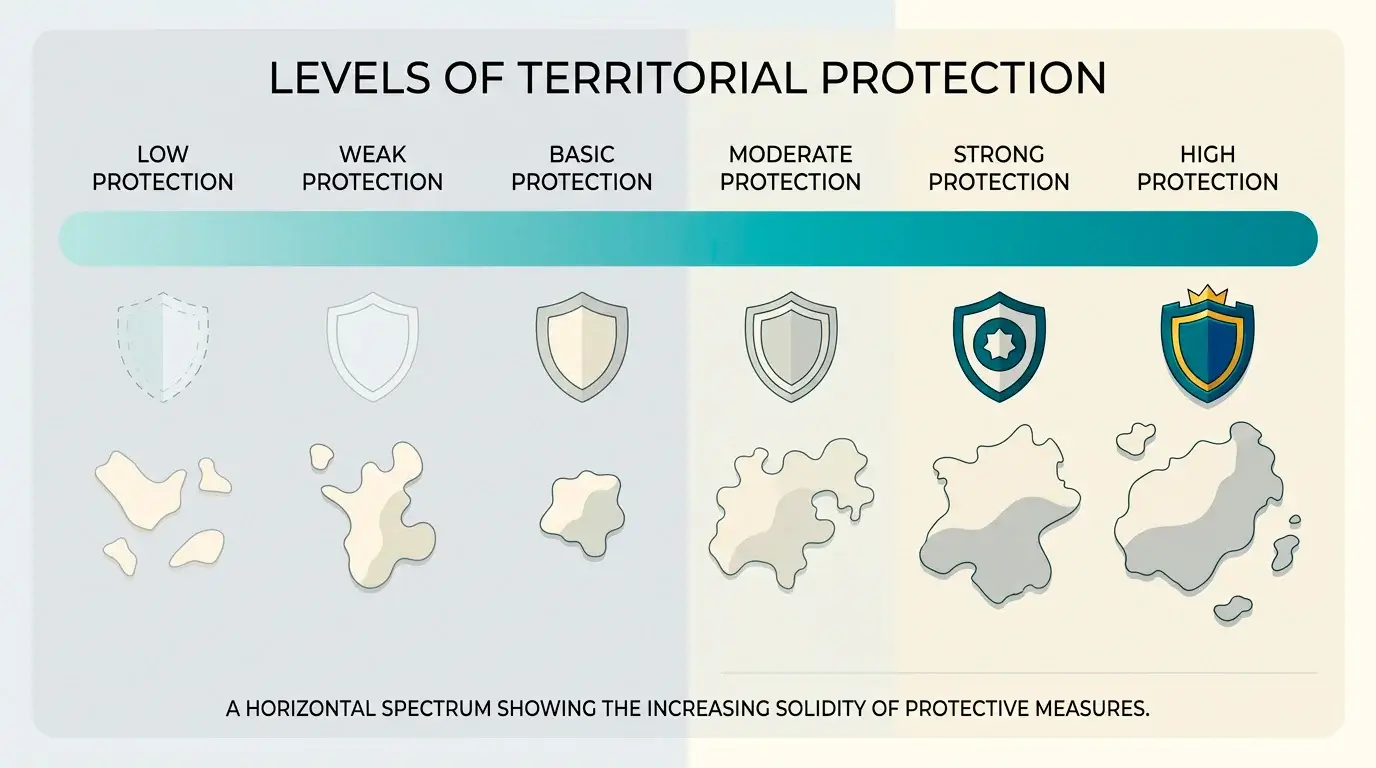
Curacao is the historical low-cost base, reformed in 2024. A single regulator now licenses operators after the new National Ordinance on Games of Chance (the LOK) came into force on 24 December 2024, with the function moving to the Curacao Gaming Authority. The old master-plus-sub-licence model is being wound down.
Anjouan, an island in the Comoros, is licensed by the Anjouan Offshore Finance Authority and positioned as a cheap, fast alternative, with tighter rules introduced through 2025. Malta, Gibraltar and the Isle of Man are stricter, more reputational jurisdictions that appear less often in this segment.
The structural risk to remember
Cheap offshore licences generally do not require an operator to hold working capital or insurance able to cover player balances if it collapses. That is the central fund-safety risk, and a Curacao or Anjouan badge does not remove it. The detail sits on the page about safety and KYC.
How safe are casinos not on GamStop, and what about KYC?
This is the question people search most, and it is usually answered with reassurance designed to convert. The candid version is less comfortable. Offshore sites run without the UK safeguards you may be used to.
There is no mandatory fund segregation, no required UK responsible-gambling tools, no financial vulnerability checks and no slot stake limits. If something goes wrong, the dispute is resolved in the operator's jurisdiction, not through the UKGC.
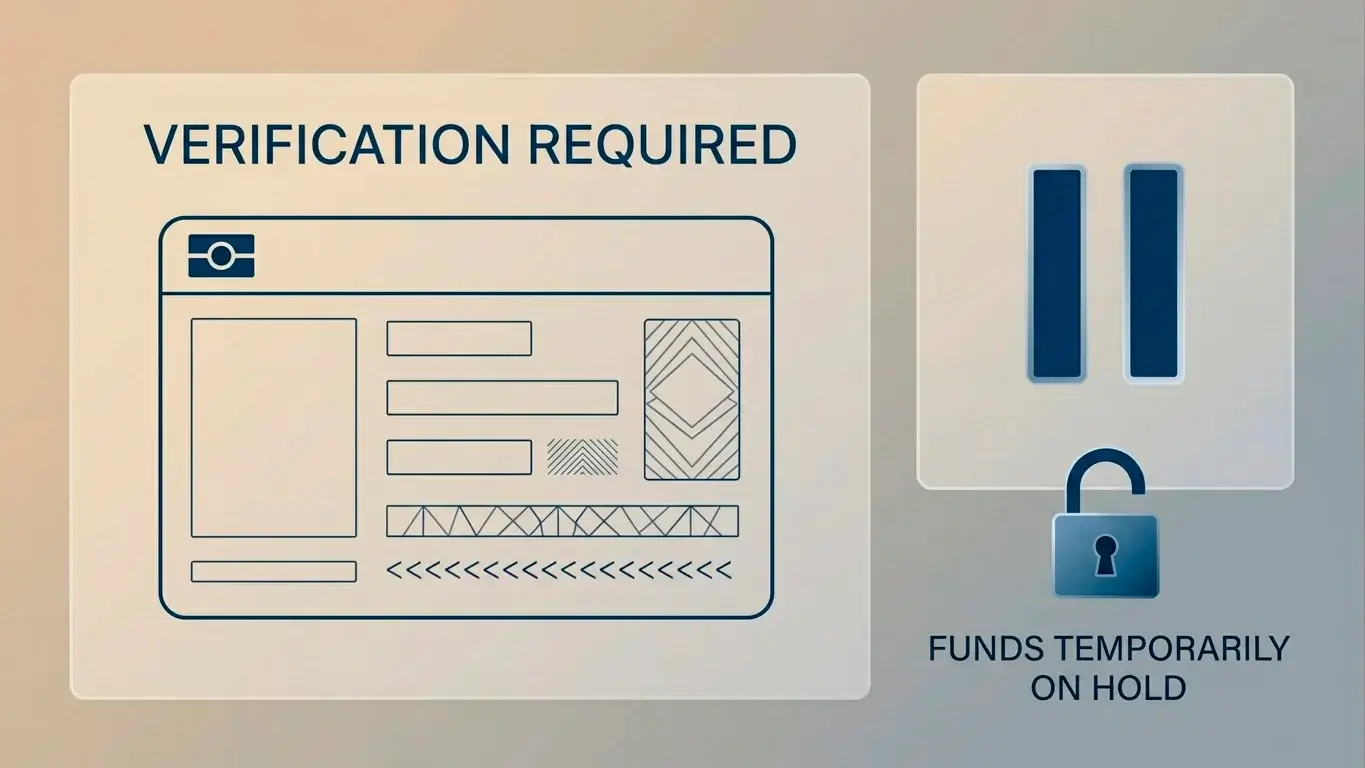
The popular "no verification" or "no KYC" promise rarely means no checks at all. Reputable offshore operators still run anti-money-laundering checks. What "no KYC" usually means is that checks are deferred to the withdrawal stage, which is precisely when accounts are frozen pending documents.
Lower-risk habits
- Read the page on how safe these casinos are before you commit any money.
- Prefer a more reputable licence over a Curacao-only base if you play at all.
- Complete identity checks early rather than at cashout.
Avoid
- Treating an SSL padlock or a licence logo as proof your money is safe.
- Assuming "no KYC" means you will never be asked for documents.
- Depositing more than you could walk away from if recovery proves impossible.
How do payments work at these casinos in the UK?
On UKGC-licensed sites the common rails are debit Visa and Mastercard (credit cards were banned in 2020), PayPal, Apple Pay, Google Pay, Skrill and Neteller, Paysafecard, Trustly and Open Banking, and Pay by Mobile.
Offshore "not on GamStop" sites add the two things UK platforms are not allowed to offer: cryptocurrencies and credit cards. It is tempting to read those as perks. They are better read as risk signals.
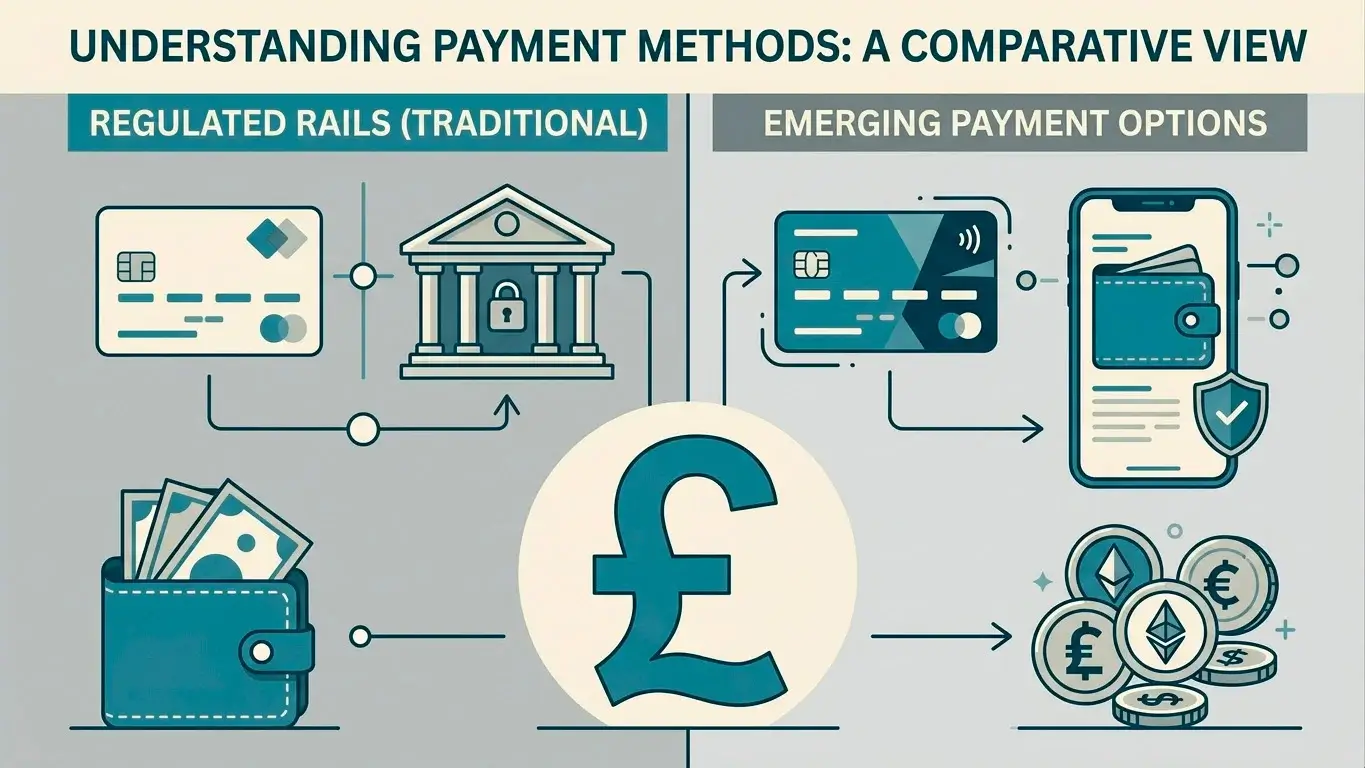
Credit-card gambling and crypto strip out the friction and consumer protections that UK rules added on purpose. GBP deposits and withdrawals on offshore sites often involve currency conversion, withdrawal caps and KYC delays at cashout. The full picture is on the page about how payments work in GBP.
At a glance
- Banned on UK sites since 2020
- Credit cards for gambling
- Added by offshore sites
- Cryptocurrencies and credit cards
- Common offshore friction
- Conversion costs, withdrawal caps, KYC-at-cashout delays
- Player winnings tax
- 0 percent, from every source
Why are more UK players looking offshore right now?
Part of the demand is driven by recent tightening at home. UK rules now include slot stake limits of five pounds per spin for players aged 25 and over and two pounds for those aged 18 to 24, plus financial vulnerability checks once net losses pass 150 pounds over 30 days.
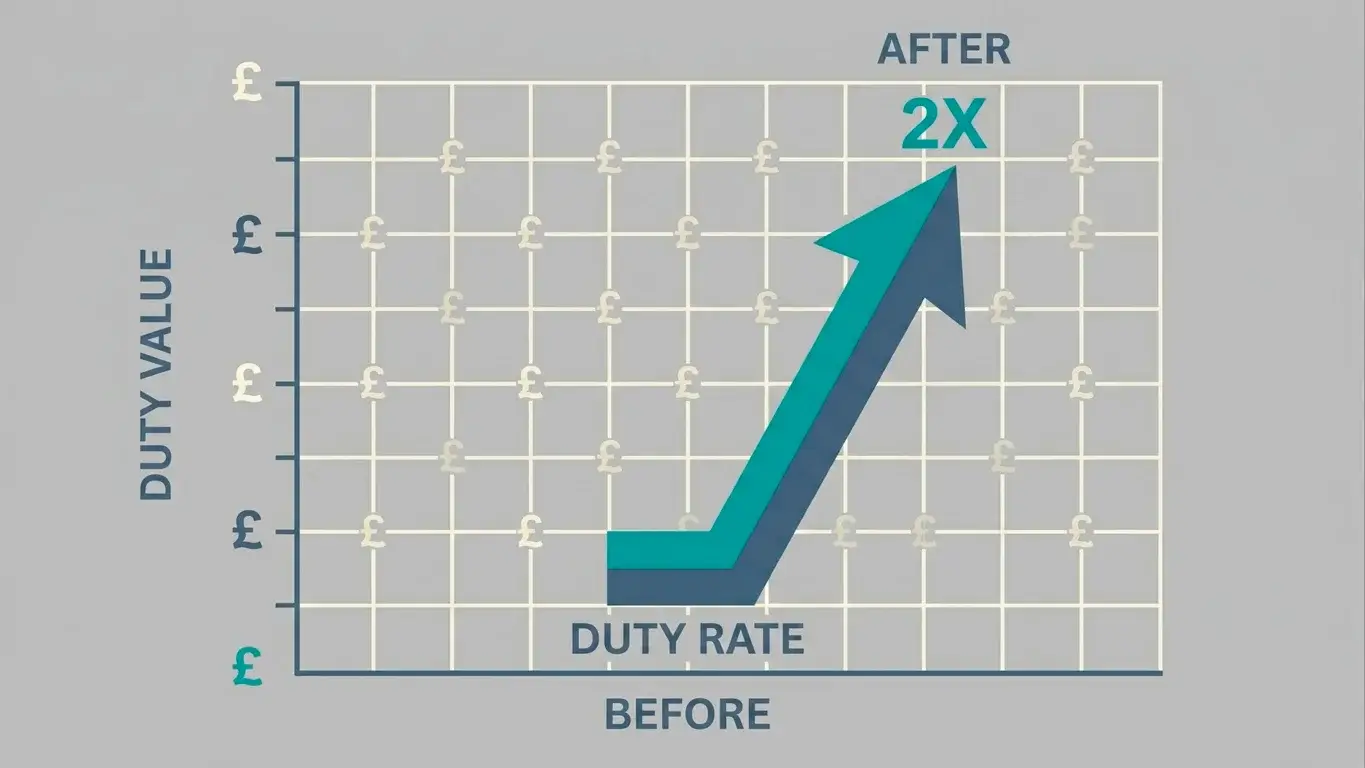
There is a market backdrop too. From 1 April 2026, Remote Gaming Duty rose from 21 percent to 40 percent under the Finance Act 2026, and a new 25 percent remote betting rate follows in April 2027. Operators are widely expected to pass much of that cost on to players.
None of this makes offshore play safer. The regulator is actively pushing against the unlicensed market, with hundreds of cease-and-desist notices, more than a thousand sites geo-blocked and a large number of URLs removed from search results in recent reporting periods. These are operators the UKGC is working to shut out, not a parallel safe option.
First sources: House of Commons Library briefing on gambling taxation (Finance Act 2026) and the UK Gambling Commission on tackling unlicensed gambling.
What is the proper way to leave GamStop if you feel pulled back?
If you registered with GamStop and now feel the pull to gamble, the safest response is not an offshore site. Self-exclusion cannot be shortened or lifted before your chosen term ends, and any service that offers to "remove you early" is a red flag for a scam.
After your term ends, removal is not automatic. You have to contact GamStop yourself, complete identity re-verification and observe a mandatory cooling-off period before access is restored. The exact length of that period is stated on the official GamStop site, so check it there rather than on third-party pages, which disagree.
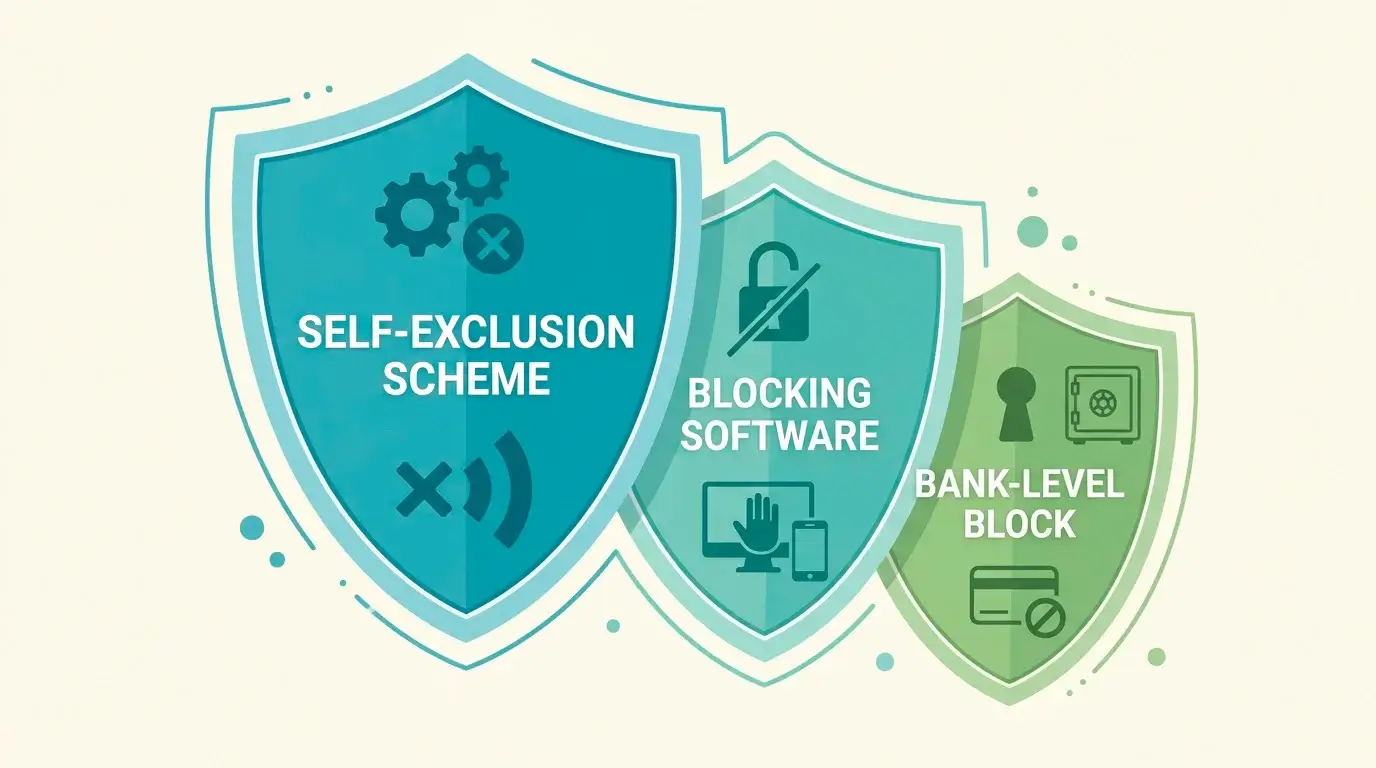
For anyone feeling that pull, the layered TalkBanStop model is the practical answer: GamStop for self-exclusion, Gamban blocking software that also catches offshore domains, and a bank gambling block. A free Gamban licence is available through the National Gambling Helpline. The full walkthrough is on the page about the official route out of GamStop.
First sources: GamStop official site and GamCare.
Where does GamStop sit in 2026?
GamStop launched in April 2018 as a voluntary tool and became a condition of holding a UKGC remote licence in 2020, which is when participation turned from optional to mandatory for British-licensed operators.
The scheme has grown steadily. By the end of 2025 more than 562,000 people had registered, with 58,675 new sign-ups in the second half of that year alone, an average of 319 a day. A "five years with auto-renewal" option, introduced in December 2024, now functions as a near-permanent block for those who choose it.
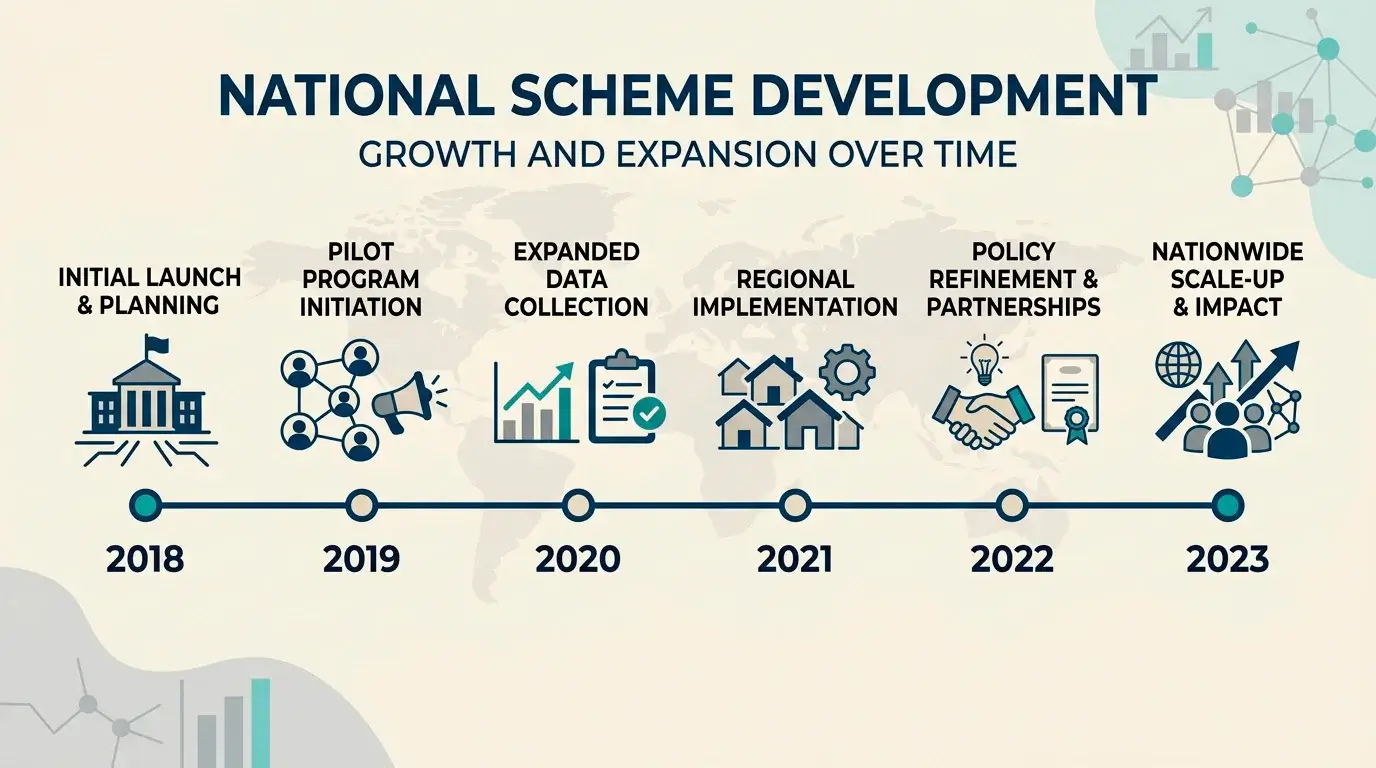
In January 2026 the betting-shop self-exclusion scheme, previously MOSES, was integrated under the GamStop umbrella and rebranded Gamstop Betting Shops, covering around 6,000 shops and more than 60 operators. That is a separate system from the online scheme, with its own maximum term.
Casinos not on GamStop: the questions people ask most
Are casinos not on GamStop legal in the UK?
For the player, yes. Using a site licensed in another country is not a criminal offence here, because the duty to hold a UK licence sits on the operator. The trade-off is that you play outside UK consumer protection. There is more on the legal status for UK players.
Are non-GamStop casinos safe?
They operate without UK safeguards such as fund segregation, affordability checks and stake limits. Cheap offshore licences generally carry no capital or insurance guarantee for player balances, so recovering money after a collapse is unlikely.
Can I gamble if I am self-excluded on GamStop?
Offshore sites are not connected to GamStop, so they are not blocked. This guide does not treat that as a solution. If you feel pulled to gamble, the safer routes are waiting out your term and using the answers and layered tools set out across this site, plus the National Gambling Helpline on 0808 8020 133.
Do these casinos require ID verification or KYC?
A "no KYC" promise rarely means no checks at all. Reputable offshore operators still run anti-money-laundering checks, but they often defer them to withdrawal, which is when accounts can be frozen pending documents.
What licences do they hold?
Most hold Curacao or Anjouan licences, with Malta, Gibraltar and the Isle of Man appearing less often. Protection varies widely, and none of them gives access to the UKGC for disputes.
Are winnings from non-GamStop casinos taxable in the UK?
No. Gambling winnings are taxed at 0 percent for UK players from every source, including offshore sites. The tax burden falls on operators, not on individual players. You can see the non-GamStop FAQ for the related questions.
Reading these sites with clear eyes
A casino not on GamStop is not a secret tier of better gambling. It is simply a site the UK does not regulate, which is why the self-exclusion scheme cannot reach it and why your protections fall away the moment you sign up.
If you are weighing one up out of curiosity, read the rest of this site first and treat the absence of UK rules as the main fact, not a footnote. And if you are weighing one up because GamStop is in your way, that is the clearest sign to reach for the how to end self-exclusion safely route and the helpline, not a workaround.