How safe are casinos not on GamStop, and what about KYC?
 Available in GB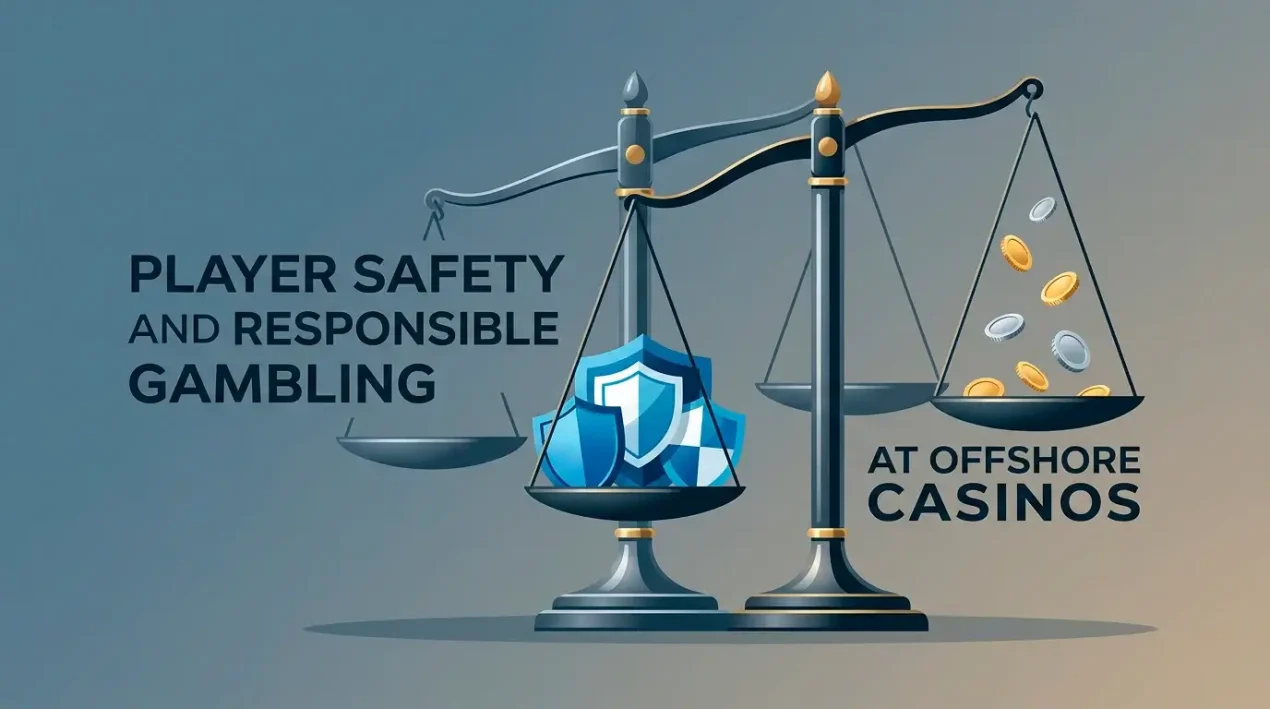
The “are non-GamStop casinos safe” question gets a more honest answer once you stop asking it in isolation. Safety here is not a feature you can switch on with an SSL badge or a five-star rating. It is a function of which regulator stands behind the operator, what that regulator can actually do for you, and what protections you walked away from when you stepped outside the UK Gambling Commission perimeter. This page lays the trade-off out plainly, including the parts that affiliate marketing material tends to skip.
The full picture is in our guide to UK casinos not on GamStop.
What actually changes when you leave the UKGC perimeter?
A casino licensed in Great Britain is wrapped in a set of mandatory player protections. They come not from goodwill but from the operator’s licence conditions, the Licence Conditions and Codes of Practice that the Gambling Commission enforces.
Step outside that perimeter, and most of those protections disappear by default. The cheap offshore licences that dominate the non-GamStop segment do not require operators to mirror what UK rules demand.
That includes things which are easy to take for granted on a UK-licensed site: mandatory fund segregation, financial vulnerability checks at a defined net-loss threshold, the £5-per-spin stake limit on online slots for adults aged 25 and over, and the £2-per-spin limit for 18 to 24 year olds. GamStop self-exclusion goes too, because the scheme only reaches operators holding a UK remote licence.
| Protection | UKGC-licensed site | Typical non-GamStop site |
|---|---|---|
| GamStop self-exclusion | Yes, mandatory | No |
| Mandatory fund segregation under UK rules | Yes | No |
| Slot stake limits (£5 / £2 by age) | Yes | No |
| Financial vulnerability checks at the £150 net-loss threshold | Yes | No |
| Dispute escalation to a UKGC-approved ADR provider | Yes | No |
| Credit-card gambling ban | Yes | No |
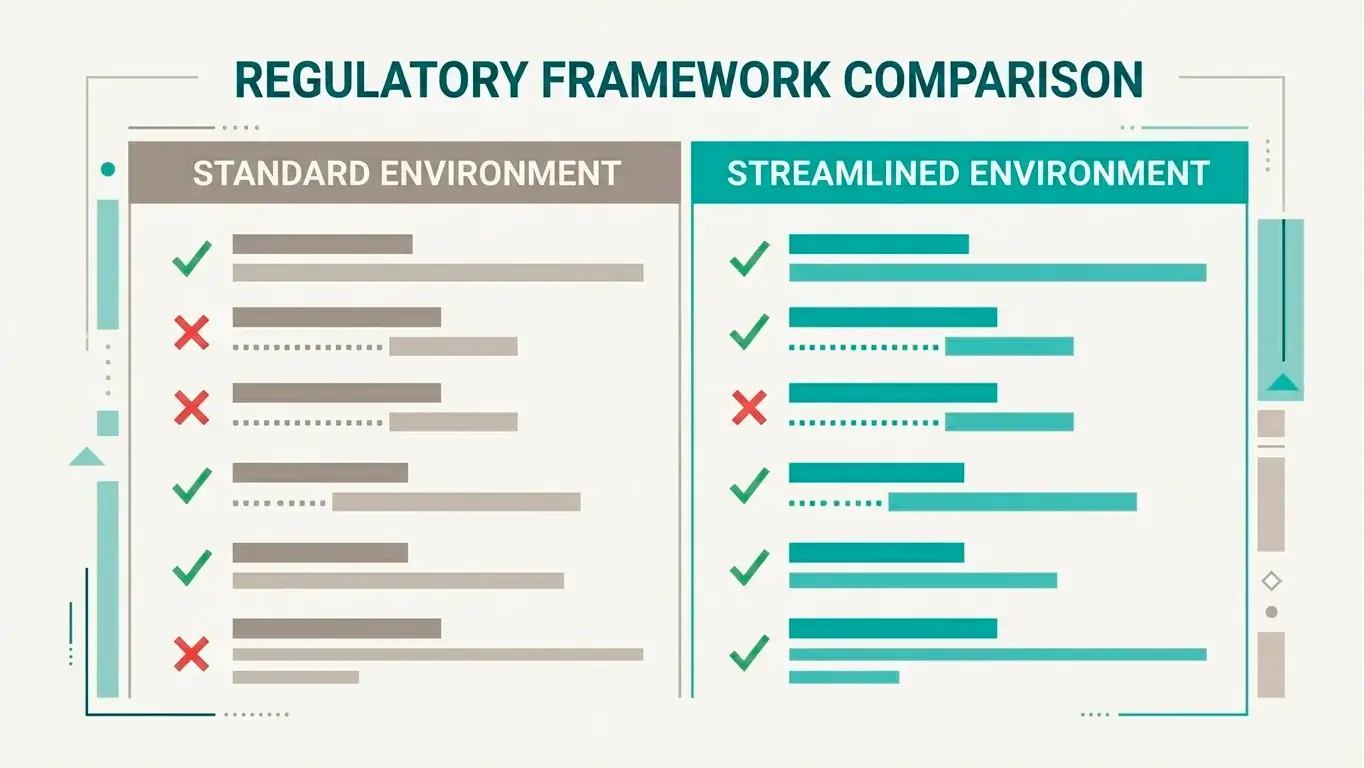
That is the structural picture. Read more about how the assessment changes per operator on the assessment framework, and confirm is offshore play legal before you weigh any of the points below.
What does “no KYC” really mean at non-GamStop sites?
Some offshore casinos advertise “no KYC” or “no verification” registration. The phrase is half true at best, and the half that is misleading tends to surface at exactly the wrong moment.
Reputable offshore operators still run know-your-customer checks for anti-money-laundering reasons. They have to, or they lose their banking relationships and their licence. What the marketing usually means is that checks are deferred, not removed.
The pattern is consistent. You deposit and play with little friction, then run into identity verification at the cashout step, often paired with a proof-of-address document, a source-of-funds request, and a card-ownership selfie. Accounts get frozen at that stage if anything fails to match.
- “Soft KYC” at registration
- An email and a date of birth, sometimes a self-declared address. Enough for a deposit, not enough to clear a withdrawal.
- Full KYC at withdrawal
- Photo ID, recent utility bill or bank statement, sometimes a video call or live selfie. Triggered by your first cashout, by a deposit-volume threshold, or by a flagged transaction.
- Enhanced due diligence
- Source-of-funds evidence (payslips, bank statements, sale documents) on larger balances. Common on crypto-funded accounts and on jurisdictions tightening anti-money-laundering rules.
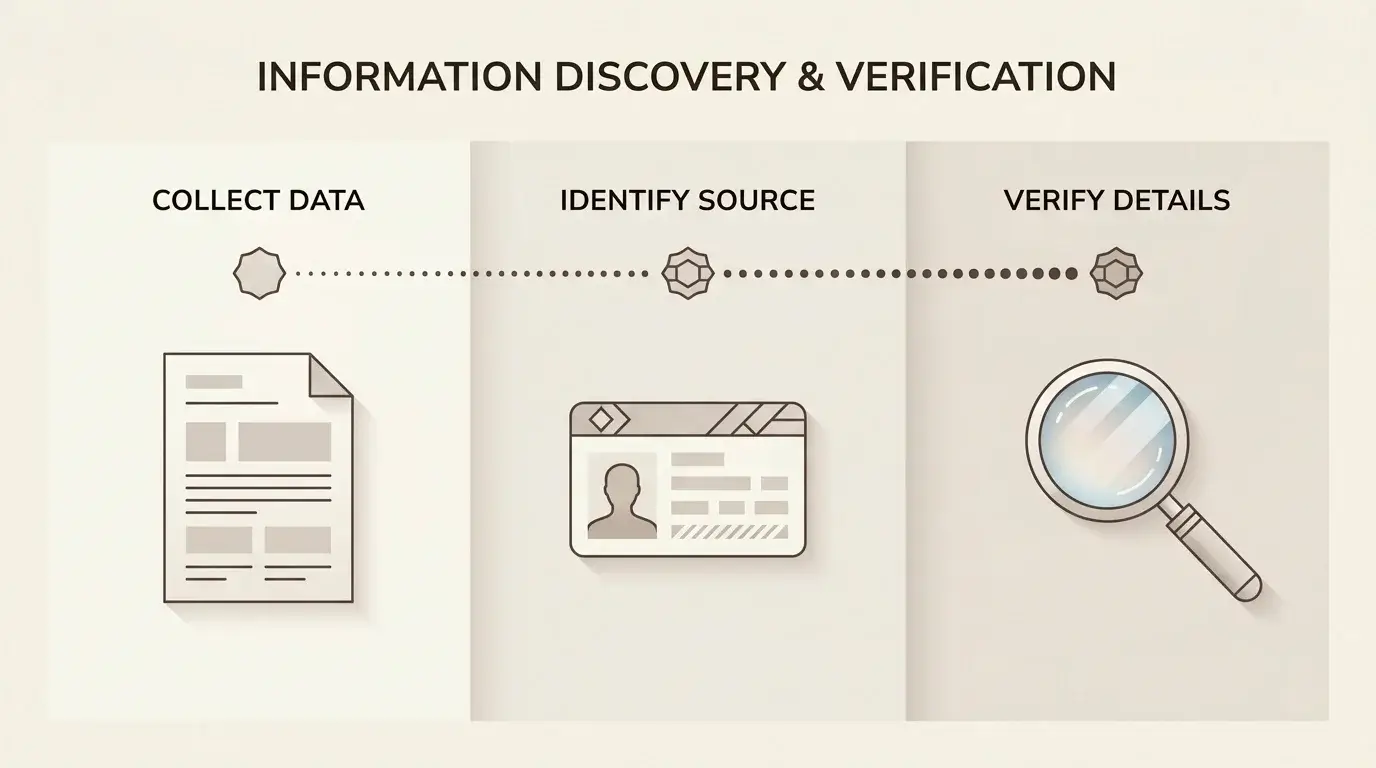
The lesson is unromantic. “No KYC” generally means KYC at withdrawal. If you would not be comfortable proving who you are then, the time to know that is before deposit, not at cashout. GamCare’s advisers see the deferred-KYC pattern often and discuss it openly in their guidance for people contacting the National Gambling Helpline on gamcare.org.uk.
Why is fund safety the quietest risk, and the biggest one?
The single most important difference between a UKGC site and a typical non-GamStop site is rarely the welcome bonus. It is what happens if the operator collapses, refuses to pay, or simply stops responding to support tickets.
UK-licensed operators must hold client funds in arrangements ranging from basic segregation through to fully protected trust accounts, and they must disclose the level chosen. The Gambling Commission publishes the framework openly at gamblingcommission.gov.uk. There is no equivalent statutory backstop on most cheap offshore licences.
The two jurisdictions most common in the non-GamStop segment, Curacao and Anjouan, do not require operators to hold working capital or insurance able to cover player losses on insolvency. That is the central structural risk.
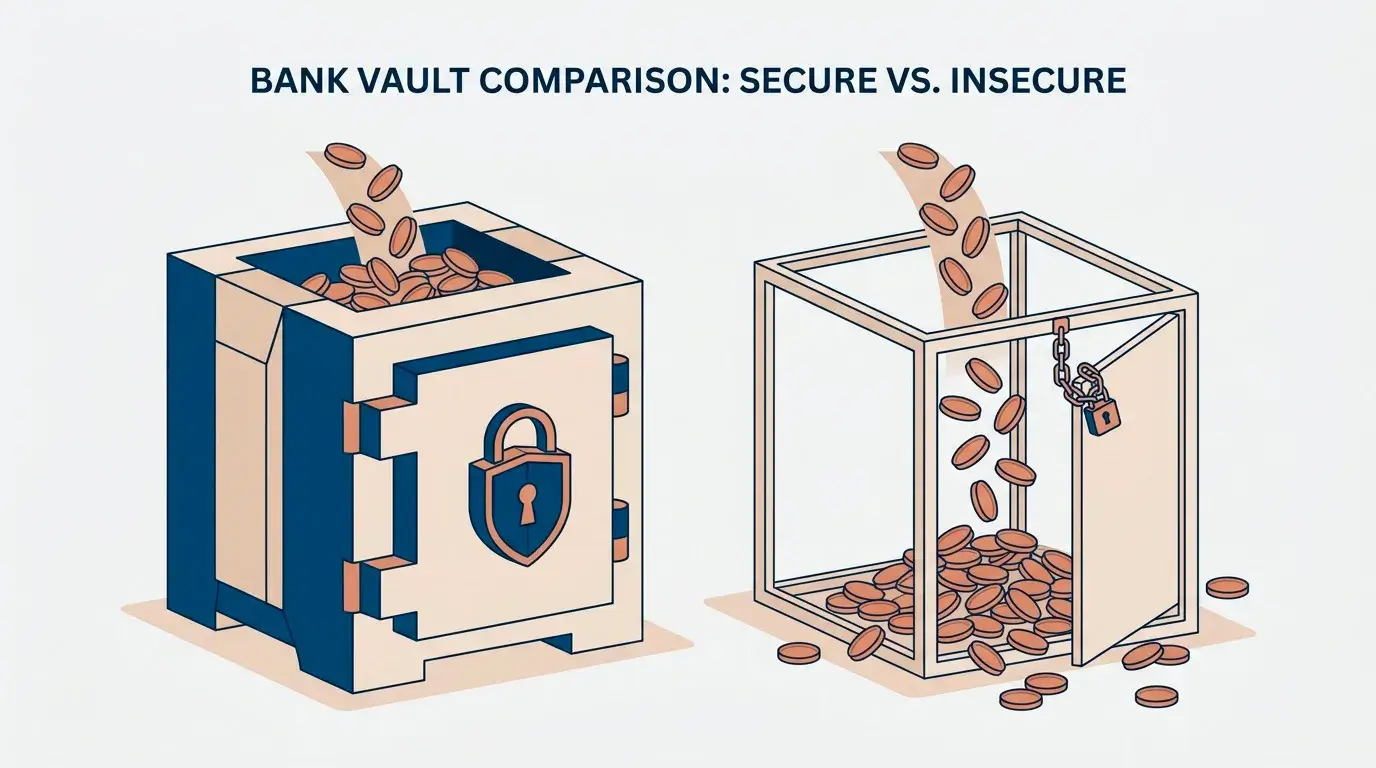
In practice, if a Curacao-only operator collapses, players are unsecured creditors in a foreign jurisdiction. Recovery is rare, and industry reporting on offshore insolvencies repeatedly traces the same pattern: a sudden support blackout, an opaque liquidation, and balances treated as the last claim in the queue.
The detail behind this varies by jurisdiction, which is exactly the point. Read more about the gradient on licences and jurisdictions.
Where does a dispute actually go?
If you have an unresolved complaint with a UKGC operator, the next stop is an Alternative Dispute Resolution provider approved by the regulator, with the Gambling Commission and the courts behind it. Records exist, decisions are public, and operators face licence consequences if they ignore the route.
Offshore sites resolve disputes inside their own licence framework. With a Malta Gaming Authority operator that is a recognisable regulator with rules and a published complaints procedure. With cheaper jurisdictions it is often a single email address and a contractual arbitration clause in another country.
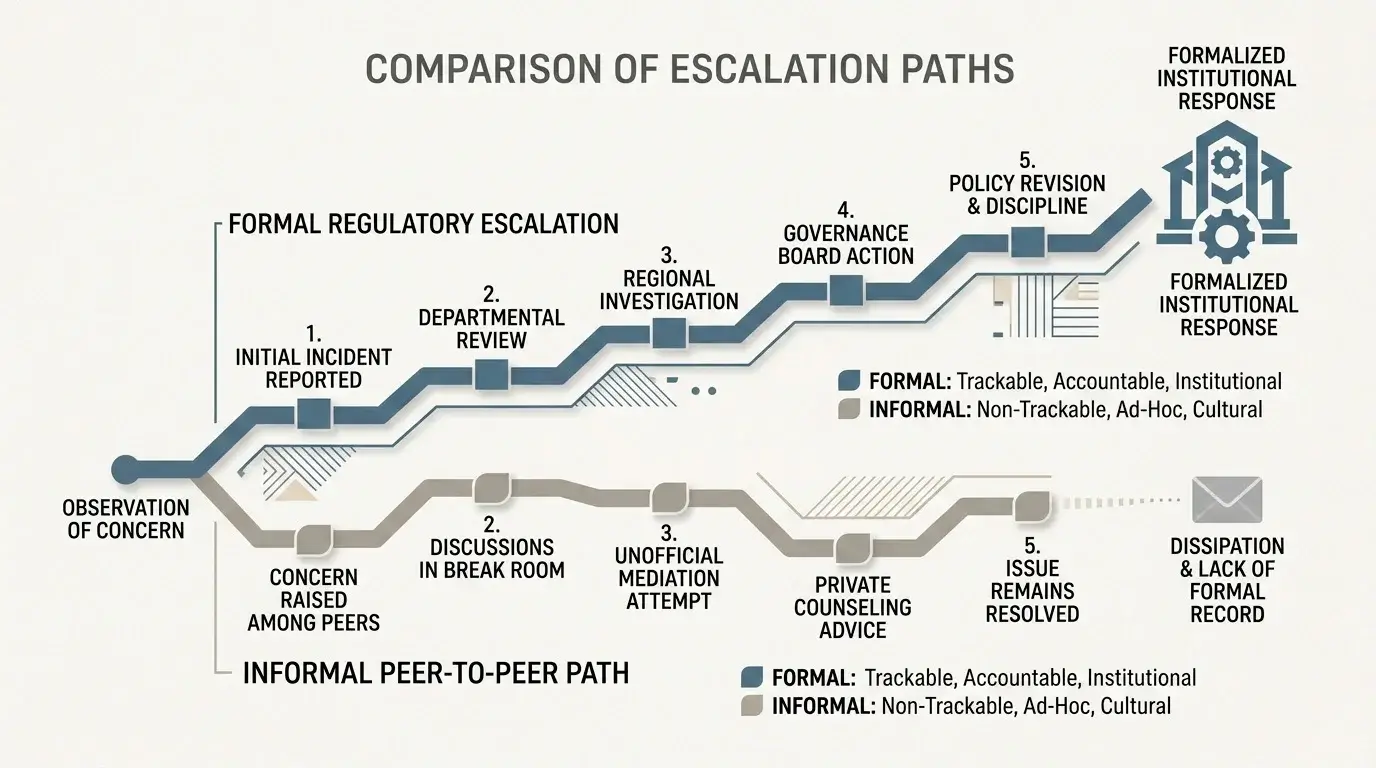
That is the practical difference between “regulated” and “regulated in a way you can actually use”. A licence is only as useful as the regulator’s willingness and ability to enforce it on your behalf, and on a non-GamStop site that willingness lives in another time zone.
If you play anyway, what reduces the risk?
This is not an endorsement of offshore play, particularly for anyone who is currently self-excluded on GamStop. If that describes you, the right next step is on bank blocks and TalkBanStop rather than a deposit screen.
For everyone else, the realistic levers are these. None of them turn an unregulated operator into a regulated one. They just narrow the failure modes.
- Prefer a more reputational licence. Malta Gaming Authority and Gibraltar carry more weight than a Curacao-only or Anjouan-only entity.
- Confirm the operator has a stated Alternative Dispute Resolution route, with the provider named and the procedure linked from the terms.
- Read the withdrawal terms before depositing. Minimum and maximum cashout, wagering on bonus funds, KYC triggers, payout windows.
- Keep your own records. Deposit receipts, screenshots of bets and balances, support-ticket numbers, time-stamped withdrawal requests.
- Set a deposit ceiling you can afford to lose entirely. The downside on a non-UK operator is not capped by anything except your own discipline.
- Add a bank gambling block. It will not catch everything, but it adds a friction layer at the rails. Limits are explained on the bank blocks page.
If any of those levers feel like work you do not want to do, that is information in itself. A site where due diligence is hard and recovery is rare is a site where the failure modes carry real money.
How do you read the safety question properly?
The honest answer to “are non-GamStop casinos safe” is that safety here is a relative term. There is no UK protection by default, the fund-safety floor is low, KYC mostly waits at withdrawal, and disputes go to a regulator you cannot influence.
Who is meant to be supervising: the licensing jurisdictions.
A reader who has weighed those four things, and still wants to know more, has the right starting frame. If any of them changed your mind, the non-GamStop FAQ covers the rest of the long-tail concerns, and the helpline below is open all day, every day.
For the broader picture and how this page connects to the rest of the site, head back to the main guide.
This material was created by the GamStop Navigator Slots team.
Related posts
Casinos not on GamStop: your questions answered
Can UK banks block gambling payments, and how does TalkBanStop help?