How does GamStop work and what falls outside it?
 Available in GB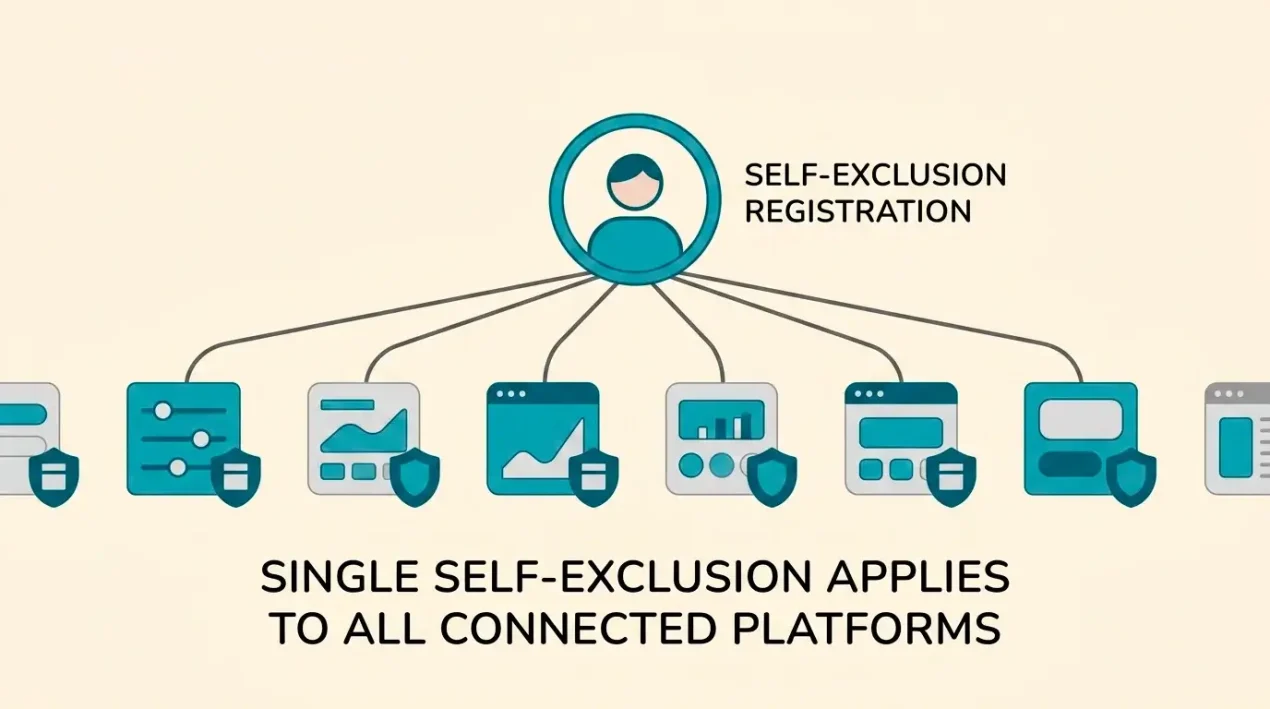
GamStop is the part of the UK system most people get a rough sense of but few understand mechanically. It blocks one specific thing very well, and leaves another whole category of sites entirely untouched. That gap is exactly what the search phrase “casino not on GamStop” describes.
This page walks through how the scheme actually works, what it covers, what it does not, and why the boundary between the two has become the central question for any UK player thinking about offshore play.
The full picture is in our guide to UK casinos not on GamStop.
What is GamStop, and who actually runs it?
GamStop is the national online multi-operator self-exclusion scheme for Great Britain. It launched in April 2018 and is run by The National Online Self-Exclusion Scheme Ltd, often shortened to NOSES and branded as the Gamstop Group, with Fiona Palmer as chief executive.
The scheme is not a government department and not the regulator. It is an independent not-for-profit company set up specifically to deliver one job: hold a register of people who want to be blocked from UK-licensed online gambling, and pass that register to every licensed operator in real time.
You can find the scheme on its own site at gamstop.co.uk, and the regulator that requires operators to plug into it is the UK Gambling Commission at gamblingcommission.gov.uk.
What makes GamStop national is that single point of registration. Before it existed, a person who wanted to stop had to ask each operator separately. With GamStop, one registration covers every site that holds the right UK licence.
How is participation enforced on operators?
This is where the mechanism becomes properly binding. Participation in GamStop is not a polite request. It is a licence condition under the UK Gambling Commission’s Licence Conditions and Codes of Practice, the LCCP, and it sits inside Social Responsibility Code Provision 3.5.5.
The Commission made GamStop membership mandatory for all remote operators from 31 March 2020. In April that year it suspended two operator licences for failing to integrate by the deadline, which set the tone for everything that followed.
Since 1 April 2024, the same provision has extended to remote licensees that take bets by telephone or email. The direction of travel has been to close gaps, not open them.
The practical result is straightforward. If you register with GamStop, every UK-licensed online site is legally obliged to refuse to accept you for the term you chose. They cannot quietly let you in, and they cannot send you marketing during the block. You can read the Commission’s published rules on its own pages on gamblingcommission.gov.uk.
Which sites does GamStop actually cover?
GamStop covers every gambling website and app that holds a remote operating licence from the UK Gambling Commission. In practice that is more than 300 operators across casinos, slots, betting, bingo and poker.
That is a lot, and for most British players it is effectively the whole familiar high street of online gambling. If you have heard of the brand, run by a company that advertises during football matches or runs a UK office, it is on GamStop.
There is also a separate, newer scheme for betting shops. In January 2026, the older MOSES (Multi-Operator Self-Exclusion Scheme for non-remote betting) was integrated under the Gamstop Group and rebranded as Gamstop Betting Shops. It covers around 6,000 high-street shops and more than 60 operators, with a maximum exclusion term of 18 months.
That betting-shop system is independent from the online scheme. Registering for one does not register you for the other.
What does GamStop not cover, and why does that matter?
This is the part that defines the whole “not on GamStop” search. The scheme is bounded by the licence that pulls operators in. No licence, no obligation to plug in.
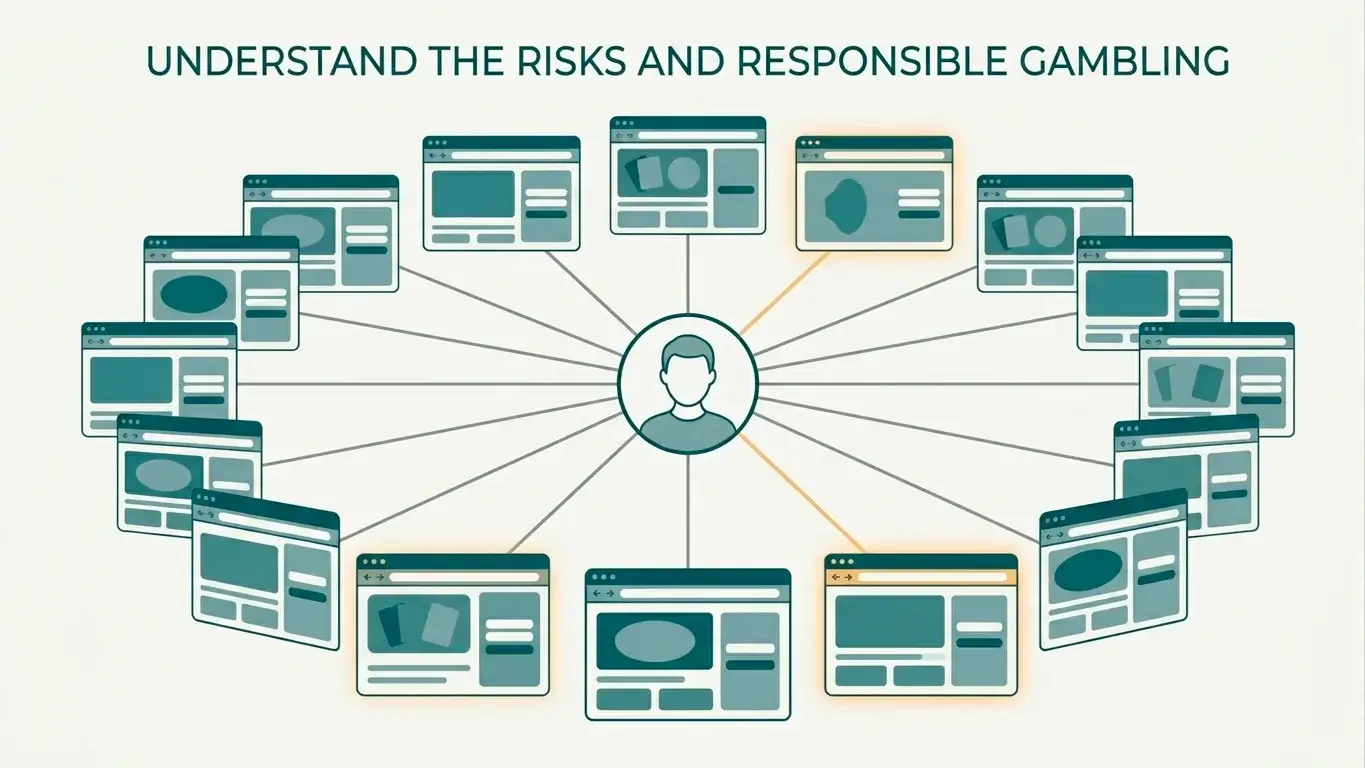
The categories outside the perimeter are clear. Online sites licensed in another country, such as Curacao, Anjouan, Malta or Gibraltar, are not part of UK GamStop. Land-based casinos and arcades sit outside the online scheme. Retail National Lottery products in shops sit outside it too.
Within that list, only the first really matters for this search. Land venues and retail Lottery are not what people mean when they look up “casino not on GamStop”. They mean an online casino that takes UK players from a base outside Great Britain.
These are the sites offshore casinos compared walks through as a category. They are, by definition, outside any UK self-exclusion blanket and outside the broader UK consumer-protection framework.
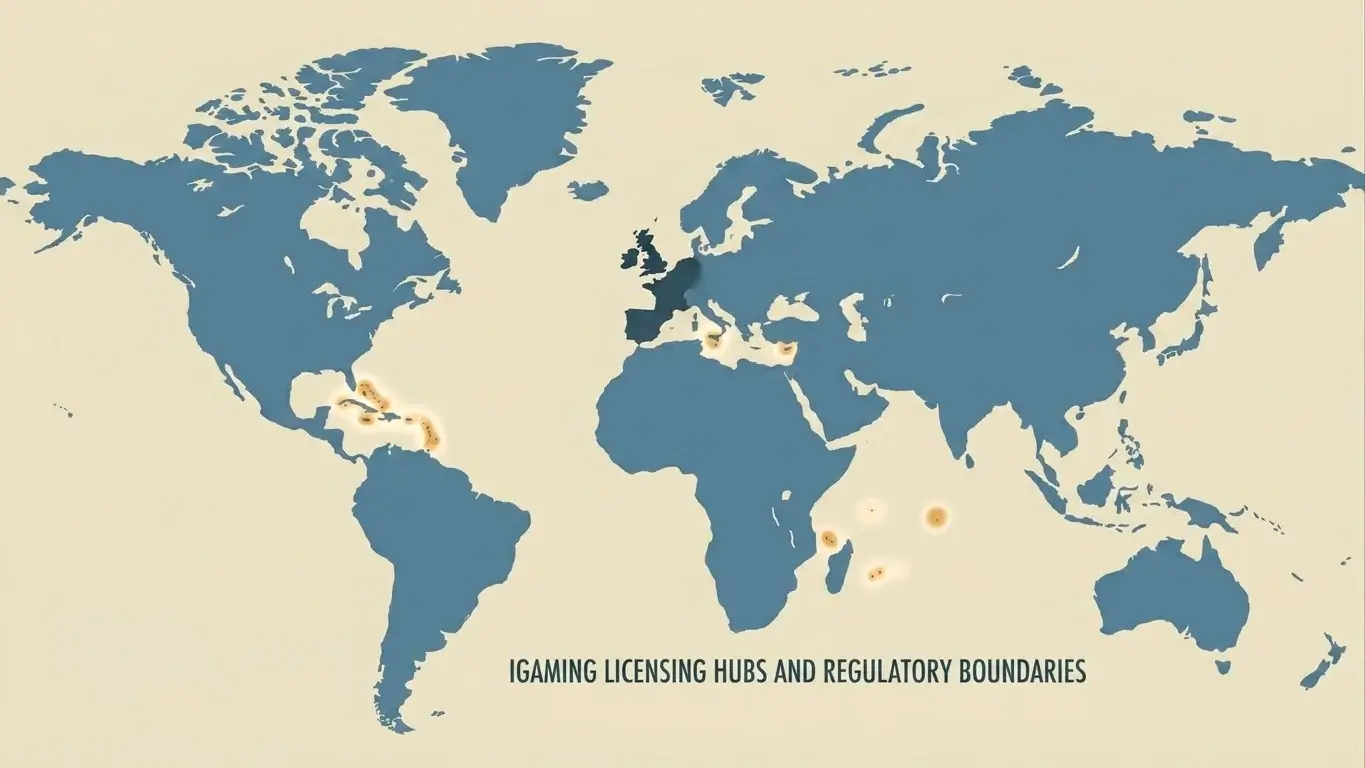
That is also why the regulator pushes hard against them. The Commission publishes regular updates on its enforcement against unlicensed remote gambling, including cease-and-desist notices, geo-block requests and search-engine takedown work.
For a player, the effect of the boundary is simple to state and important to understand. UK self-exclusion stops at the UK licence. Past that line, the scheme does not reach.
How does registration actually work in practice?
From the player side, GamStop registration is a short web form on the scheme’s own site. You give your real name, date of birth, address, email and mobile number, and you pick a term.
The terms are the standard three: six months, one year, or five years. Since December 2024 the five-year option includes an auto-renewal default, so unless you actively opt out at the end of the term, the exclusion rolls forward.
The five-year auto-renewal has had real take-up. By the end of 2025, more than half of new five-year registrants were choosing to let the scheme renew automatically. That detail tells you how the people using it actually see it: not as a fixed punishment but as a long-running, low-friction wall.
The other important practical point: once you are on, you are on. The scheme does not shorten or lift a self-exclusion before its term ends. There is no “remove me early” customer-service path, and any service claiming to offer one is a scam signal worth taking seriously, as the dedicated official removal route page explains in more detail.
What happens at the end of a self-exclusion?
The end of a term is not an automatic switch back on. The scheme requires the registered person to actively contact GamStop, complete an identity check and observe a mandatory cooling-off period before any UK-licensed site will reopen access.
The exact length of that cooling-off period is published on the official scheme FAQ, and that is the only authoritative source for it. Affiliate sites quote contradictory numbers, so for any specific figure check directly on gamstop.co.uk.
The cooling-off is there for a deliberate reason. Self-exclusion is most often a decision taken under stress, and the moment a term ends is often the moment relapse risk is highest. The pause is the safety margin built into the design.
If the person does nothing at the end of a term, the block simply continues. There is no penalty for that and no expiry pressure. The default state is staying excluded.
Why do some self-excluded players look for sites not on GamStop?
Honest answer: the same kinds of reasons people choose self-exclusion in the first place, in the opposite direction. A wave of urge, a difficult week, a sense that the wait until the term ends is too long.
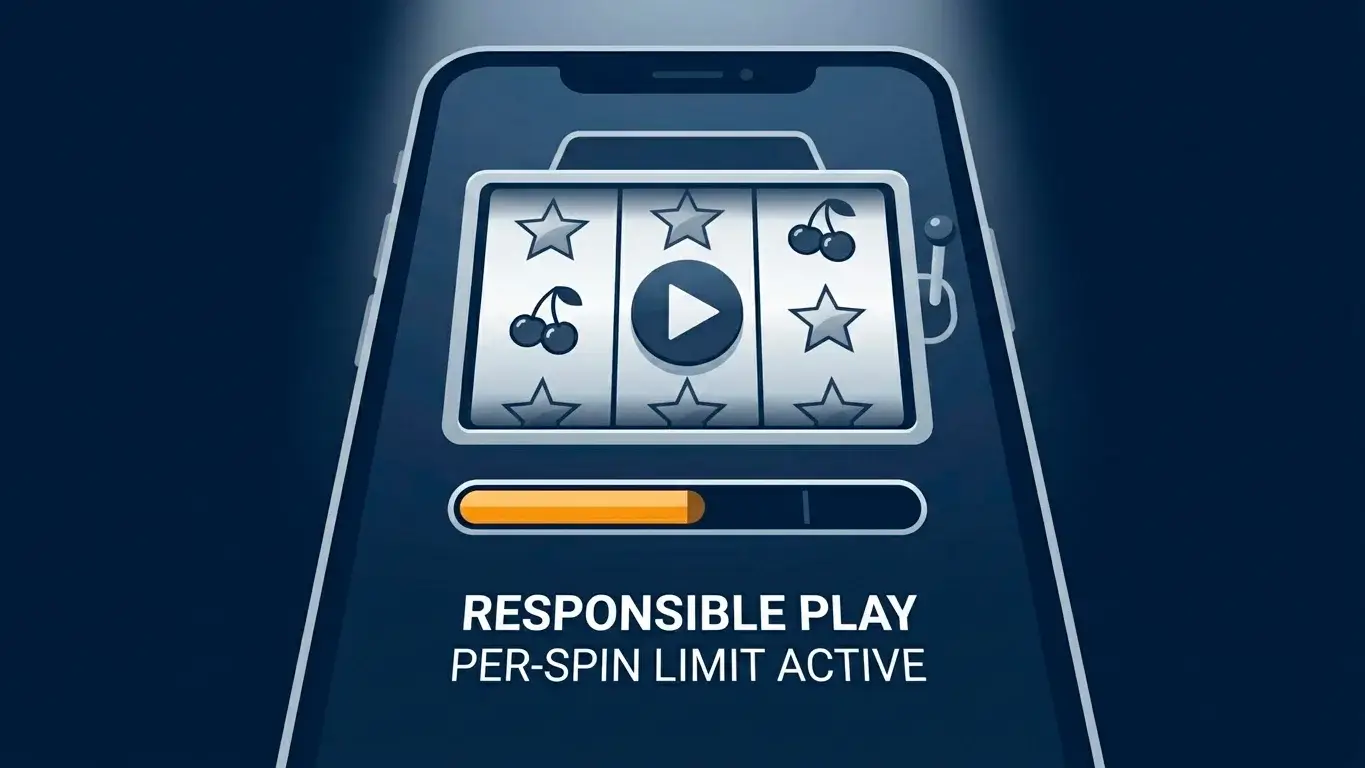
The newer UK rules play into this too. Since 28 February 2025, operators have been running financial vulnerability checks on UK accounts that lose more than £150 net over a rolling 30 days. Since 9 April 2025, online slot stakes have been capped at £5 per spin for players aged 25 and over. Since 21 May 2025, players aged 18 to 24 face a £2 per spin slot cap.
Each of those tightens the UK-licensed environment. Some players experience that as protective and some experience it as restrictive, and a subset of the latter group ends up searching for offshore sites in response.
None of this changes what GamStop is or what it does. It just helps explain why the search exists at the volume it does, and why the legal position for those who play offshore matters so much.
How big is the scheme today?
The scheme publishes half-yearly reports on its size and demographics. By the end of 2025, more than 562,000 people had registered with GamStop, which is more than one percent of the adult population of Great Britain.
In the second half of 2025 alone, the scheme added 58,675 new registrations, averaging out at roughly 319 per day. The 16 to 24 age group accounted for around 29 percent of those new registrations, and registrations from that age group were up roughly 40 percent year on year.
Term mix is also worth knowing. Across all users, about 47 percent are on the five-year term. Among the youngest cohort, the six-month term is more popular and accounts for around 38 percent of their registrations.
Those numbers do two things at once. They show the scheme works as a low-friction national tool, and they show the cohort of people who might at some point be in the audience for “not on GamStop” searches is large and growing, especially among younger players.
So what should you take from all this?
If you remember nothing else, remember the boundary. GamStop only reaches operators that hold a UK Gambling Commission remote licence. That is its strength inside the perimeter and its limit outside it.
Whether playing outside it is lawful: the legal status.
Sites described as “not on GamStop” are not part of the scheme because they are licensed somewhere else. They are not blocked for self-excluded UK players because the scheme has no contract with them and no legal hook into them.
The next two pages in this cluster pick up from here. The first works through what that means in legal terms for a UK player, with statute references. The second works through the only official way out of GamStop when the time comes, including the safer-gambling tools designed for the moments when the temptation to look offshore is at its strongest.
You can go to the legal status explained page next, or jump back to the casinos not on GamStop overview on the homepage for the wider context.
This material was created by the GamStop Navigator Slots team.
Related posts
Casinos not on GamStop: your questions answered
Can UK banks block gambling payments, and how does TalkBanStop help?