
How do payments work at casinos not on GamStop in the UK?
 Available in GB
Payments at offshore casinos look familiar at first glance. Debit cards, e-wallets, bank transfers, and the small set of methods unique to non-GamStop sites: cryptocurrencies and, on some operators, credit cards. The familiar bits hide an important point. Several of those extras are not perks added on top of a UK experience. They are exactly the things UK rules deliberately took away to reduce gambling harm, and a site that brings them back is removing protection by design.
The full picture is in our guide to UK casinos not on GamStop.
What payment rails do UKGC sites use, and what do offshore casinos add?
On a UKGC-licensed site the common deposit and withdrawal rails are well understood. Debit Visa and Mastercard sit at the centre. Credit cards have been banned for gambling on UK-licensed sites since 14 April 2020, after a Gambling Commission policy change documented at gamblingcommission.gov.uk.
Beyond debit cards you typically see PayPal, Apple Pay, Google Pay, Skrill, Neteller, Paysafecard, Trustly or other Open Banking rails, and Pay by Mobile through Boku. The common thread is that each method runs through a regulated UK or European payment provider that knows it is moving gambling money.
Non-GamStop sites add two things UK platforms cannot offer. Cryptocurrency deposits in Bitcoin, Ethereum, Litecoin, Tether and a long tail of altcoins. And credit-card gambling, which slipped back in only because the UK ban does not reach operators outside its licensing scope.
The framing matters. UKGC sites limit themselves to the methods regulators can supervise. Offshore casinos pick up the methods the UK retired on purpose, then market them as advantages. That trade is the topic of this whole page.
Why are crypto and credit cards risk signals, not perks?
The Gambling Commission banned credit-card gambling because of a clear pattern in the harm data: people who gamble on credit lose more, lose money they do not have, and accumulate debt faster than people gambling on debit. A bank in the middle, charging interest on a leveraged bet, was the wrong design.
If an offshore casino accepts a credit card, none of that has changed. The site has simply moved outside the rules that reflect the harm pattern. The deposit feels the same. The cumulative financial outcome is not the same.
Cryptocurrency is a different argument with a similar end. Crypto deposits sit outside the UK bank-merchant-code framework, which means three protections fall away at once. Bank gambling blocks see a transfer to an exchange rather than a wager, so they do not fire. Chargebacks are not available. And once funds reach the operator wallet, the trail back to the player is on the operator’s terms, not the bank’s.
- Credit cards
- Banned on UKGC sites since 2020 because the harm signal is clear. On offshore casinos they are a removed protection presented as a feature.
- Cryptocurrencies
- Outside the bank-merchant-code framework. They defeat most gambling blocks, leave no chargeback route, and lean on the operator’s wallet integrity rather than a bank’s compliance.
- “Anonymous” wallets
- Marketed as privacy. In practice the offshore operator still asks for source-of-funds documents at withdrawal under its anti-money-laundering duty, so the anonymity is mostly at registration.
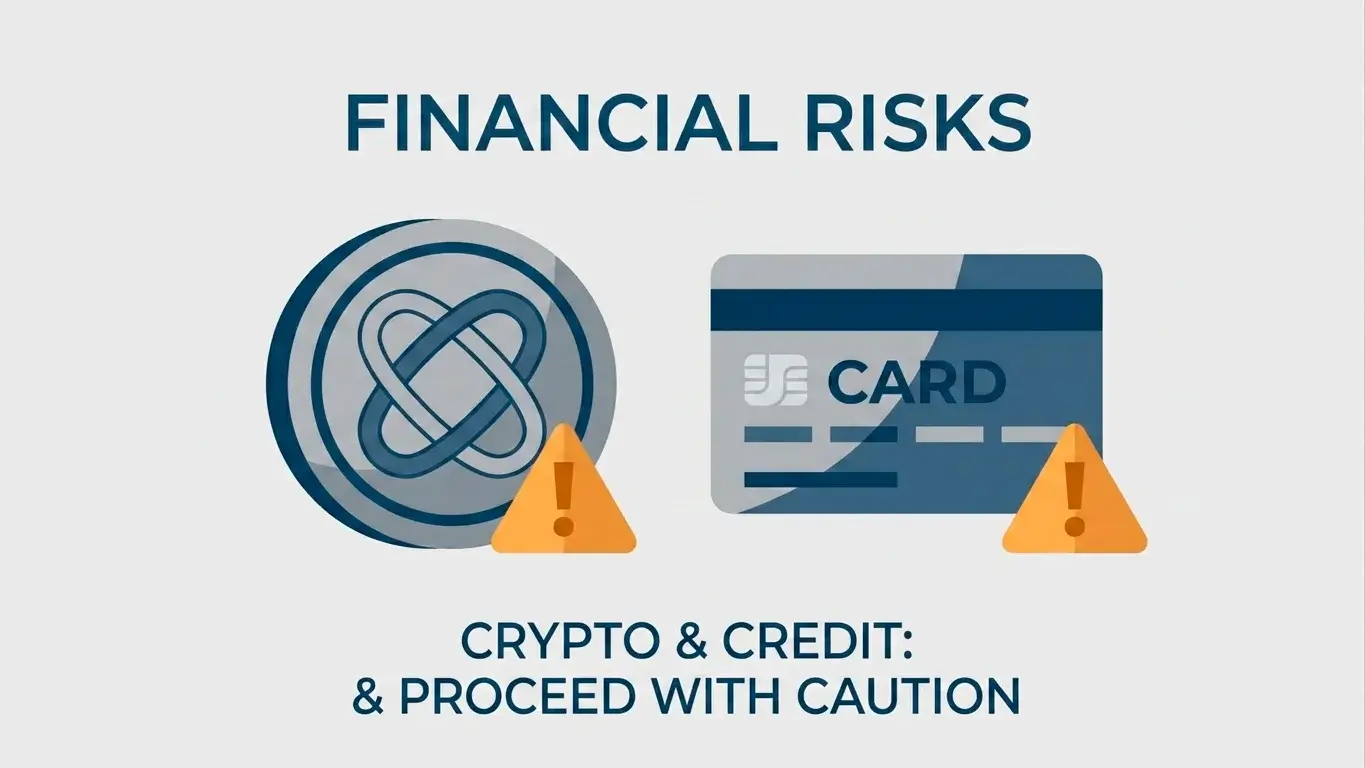
None of this means an adult cannot make their own decisions. It means the right way to read those two methods is as the absence of a guardrail, not the presence of an upgrade. The same applies to KYC and verification at the withdrawal step, which is the next place these methods bite.
How do GBP deposits actually behave on offshore sites?
Sterling deposits work on most non-GamStop casinos, but they rarely arrive at the cashier in the form they left your bank. Offshore operators typically settle in euros or US dollars, then convert your GBP balance with an internal rate that quietly includes a spread.
The first practical effect is on minimum deposit and withdrawal limits, which often look round in euros and uneven once shown in pounds. The second is on bonus and wagering arithmetic. Bonus thresholds, maximum bet rules and contribution rates from different game categories are usually written against the settlement currency, not against your GBP statement line.
The third effect is on bank statements. A deposit to a non-GamStop casino can appear as a foreign-currency transaction with a non-gambling merchant code, sometimes routed through an intermediary processor. That makes UK bank gambling blocks less reliable on offshore deposits, which is the bridge to the bank blocks page.
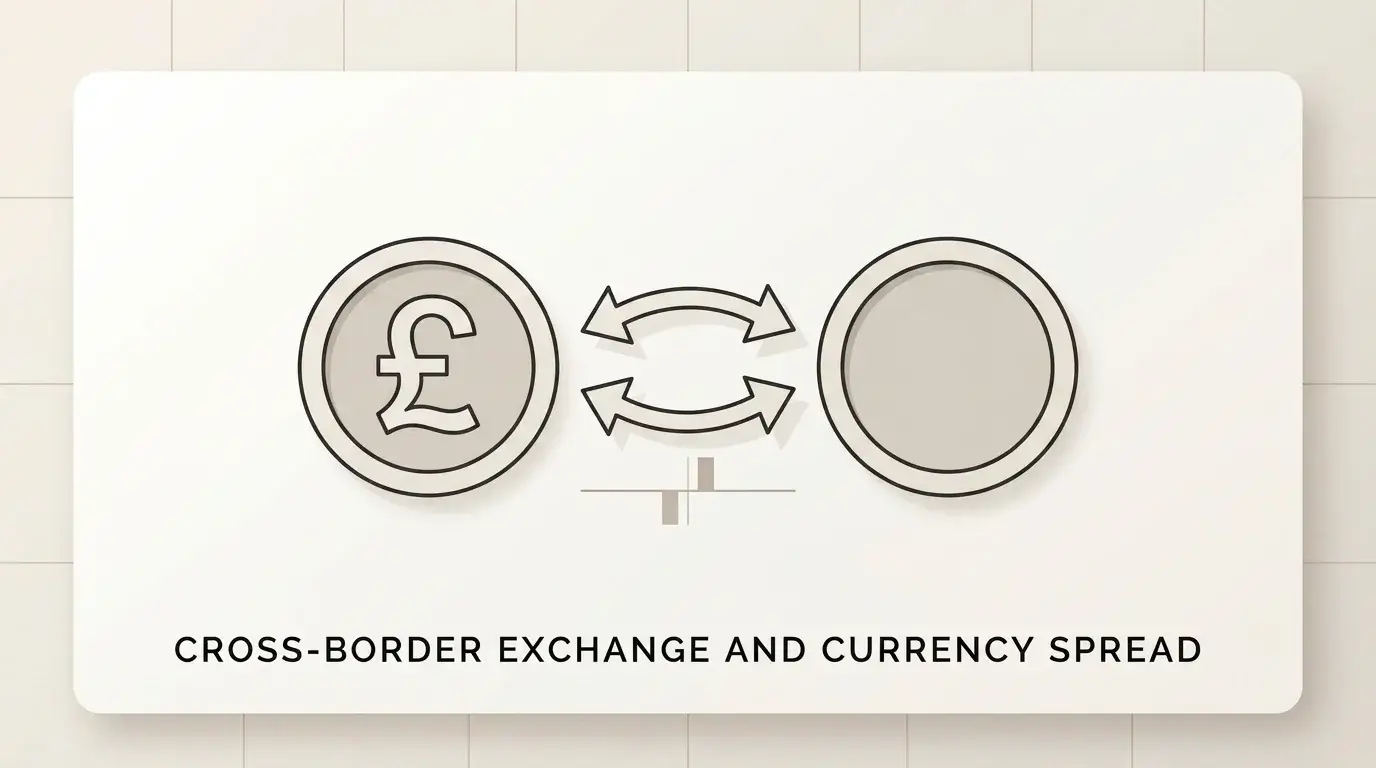
Useful habits if you do deposit: take a screenshot of the cashier showing both the GBP figure you typed and the settlement currency, save the confirmation email, and check the transaction line on your bank app the next day. If the descriptor does not contain a clear gambling reference, that is a flag worth knowing about even if you choose to keep playing.
Where does the real friction live in withdrawals?
Deposits at non-GamStop casinos almost always feel fast. Withdrawals are where the design choices show. Three frictions appear consistently, and you can read most of an operator’s character from how it handles them.
The first is KYC at cashout. As covered on the safety and verification page, “no KYC” generally means deferred KYC. A first withdrawal request is the trigger for identity documents, proof of address, and sometimes a source-of-funds request. Reasonable operators publish what they will ask for; weaker ones surprise you with it.
The second is withdrawal caps. Daily, weekly and monthly caps are common on non-GamStop sites, often pegged in the operator’s currency and ungenerous in GBP terms. A large win paid out in small monthly tranches is not a uniquely dishonest practice, but it is the policy you signed for at registration.
The third is method symmetry. Withdrawals to the original deposit method are standard practice for anti-money-laundering reasons. Where that is impossible, for instance a Paysafecard deposit, the operator picks the rail. Crypto withdrawals are sometimes only available to players who deposited in crypto.
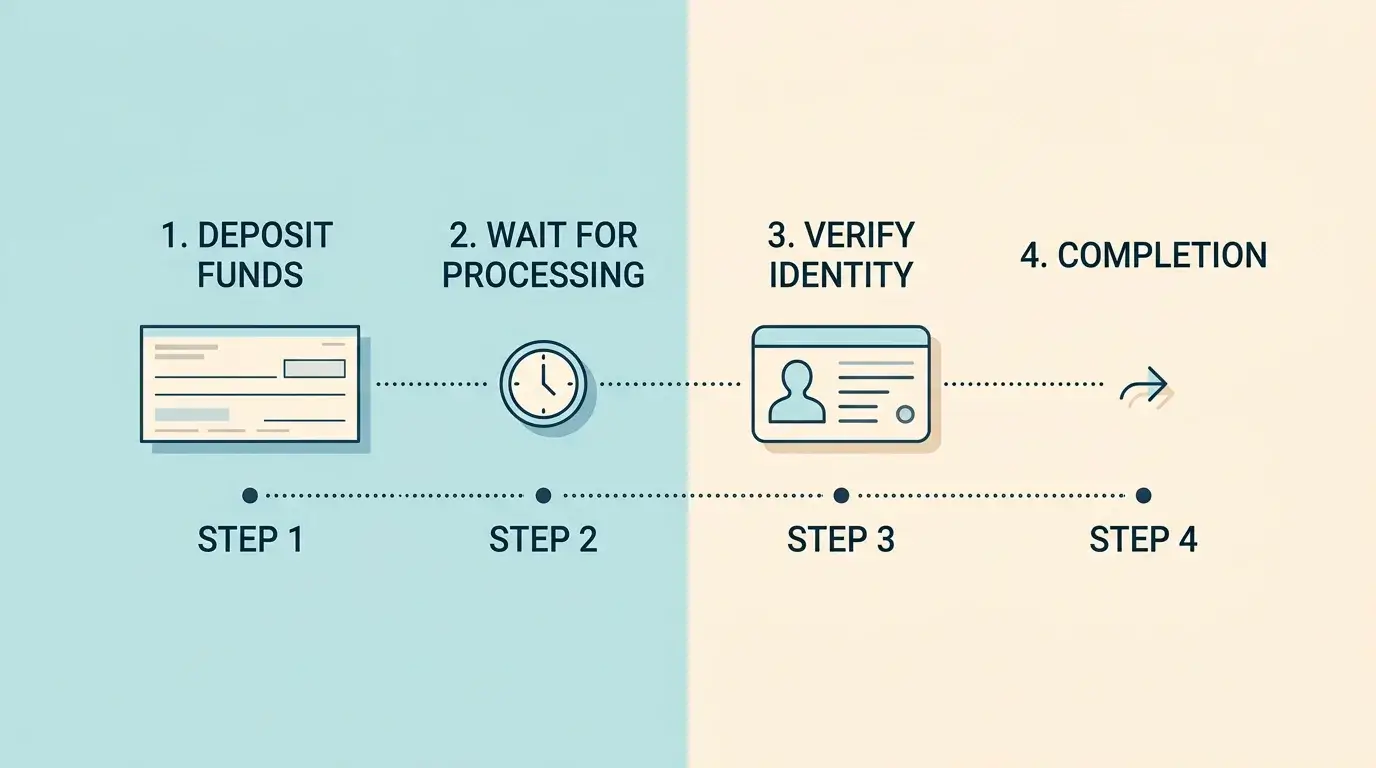
Reading the cashier and the withdrawal terms before deposit, rather than after a win, is the single most useful thing anyone can do on a non-GamStop site. The detail people want at cashout is almost always present in the small print at the start.
How do bank gambling blocks fit the payment picture?
Most UK current-account banks offer a free gambling-transaction block. Santander, for example, lets you toggle it from the mobile-banking app and applies a 48-hour cooling-off delay before the block can be removed, documented on the bank’s own support pages and reproduced for completeness at gamcare.org.uk.
The blocks work at card level by matching the merchant category code, which is the small classifier each retailer carries. When a casino is correctly coded, the bank sees the transaction and stops it. The trouble is that offshore operators sometimes use processors that misclassify or mask the code, and crypto exchanges look like any other purchase to your bank.
That is why GamCare treats bank blocks as one layer rather than the answer. The full picture sits on the bank blocks and TalkBanStop page, which is the right next step if you came in looking for ways to make payments harder rather than easier.
If you have not visited the assessment framework yet, that page lays out how to weigh an operator before any of the payment detail above becomes your problem. For everything else, the FAQ collects the short answers in one place.
Reading the payments question with clear eyes
The payment menu at a non-GamStop casino is not just longer than the UKGC menu. It is longer because it includes the things UK rules retired for a reason. Crypto and credit cards are removed protections rather than added options, GBP rarely stays GBP at the cashier, and the real friction lives in withdrawal terms you can read in advance.
Blocking the payment at source: bank blocks and TalkBanStop.
If you have weighed all of that and still want to look at offshore operators, head to how to assess operators. If anything on this page made you reconsider, the FAQ answers the short questions in one place, and the helpline below is open every hour of every day.
For the broader picture and how this hub sits in the site, you can always go back to the main guide.
This material was created by the GamStop Navigator Slots team.
Related posts
Casinos not on GamStop: your questions answered
Can UK banks block gambling payments, and how does TalkBanStop help?