Can UK banks block gambling payments, and how does TalkBanStop help?
 Available in GB
Yes, UK banks can block gambling payments, and most current-account providers now make it a free, self-service toggle in the mobile app. The fuller answer is that a bank block is a useful protection rather than a complete one, especially against non-GamStop sites. Knowing what it reliably catches, where it fails, and how the three-layer TalkBanStop model fills the gaps is what separates an honest plan from a half-measure.
The full picture is in our guide to UK casinos not on GamStop.
How does a UK bank gambling block actually work?
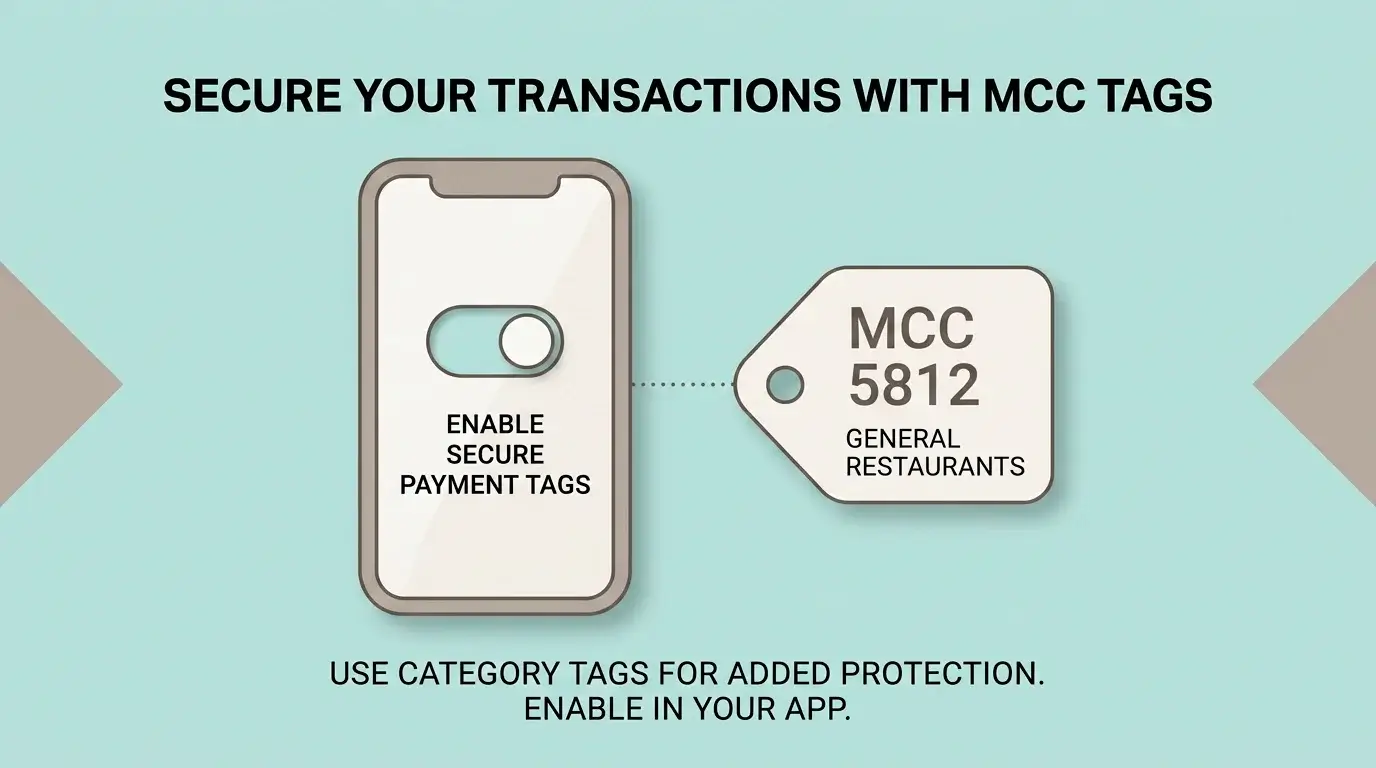
A bank gambling block sits at the card-transaction level. When a retailer takes a card payment, the transaction arrives at your bank carrying a small classifier called a merchant category code, the MCC. The MCC tells the bank what kind of business you just paid: a supermarket, a fuel pump, a gambling site.
If you have the gambling block switched on, your bank rejects any incoming transaction whose MCC sits in the gambling-related range. The retailer’s terminal sees a decline. Nothing leaves your account.
The block is usually a single toggle inside the mobile-banking app, sometimes available in online banking too. It is free, and the larger UK banks introduced it voluntarily under pressure from problem-gambling charities and the Money and Mental Health Policy Institute.
A few details worth knowing. Most blocks include a deliberate cooling-off delay between requesting removal and the block lifting. Santander’s gambling block runs that delay at 48 hours, documented on the bank’s own help pages and cross-referenced by responsible-gambling charities at gamcare.org.uk. The delay is the point: it stops a relapse becoming a single tap. Coverage varies by bank and by card; some banks offer the block on debit and credit cards, some on credit cards only, and some require contacting customer support rather than toggling in-app.
What does a bank block reliably catch, and what slips through?
What a block reliably catches is straightforward: card transactions where the operator is correctly registered with the gambling MCC and is processing through a payment provider that passes that code through unaltered. For most UKGC-licensed casinos and betting sites, that is the case. The merchant is coded as gambling, the bank sees it, the block fires.
What slips through is more interesting, and almost all of it is concentrated on offshore sites.
- Misclassified merchant codes. Some non-GamStop operators route through processors that file the transaction under a non-gambling category, intentionally or not. The block sees no gambling code, so it does not fire.
- Intermediary processors and aggregators. Even when the underlying merchant is gambling, the visible counterparty on your statement can be a generic payment processor, with a non-gambling MCC of its own.
- Cryptocurrency exchanges. A purchase of Bitcoin or Ethereum is coded as a financial-services transaction, not gambling. Once the crypto reaches the casino wallet, the bank has no further visibility.
- E-wallet top-ups. A transfer from your bank into a Skrill, Neteller or PayPal balance is coded against the e-wallet provider, not the operator. The gambling step happens at e-wallet level, outside the bank’s view.
- Pay-by-mobile and prepaid vouchers. Paysafecard top-ups and mobile-billing rails sit in their own MCCs. They can move money toward gambling without a gambling code ever surfacing at your bank.
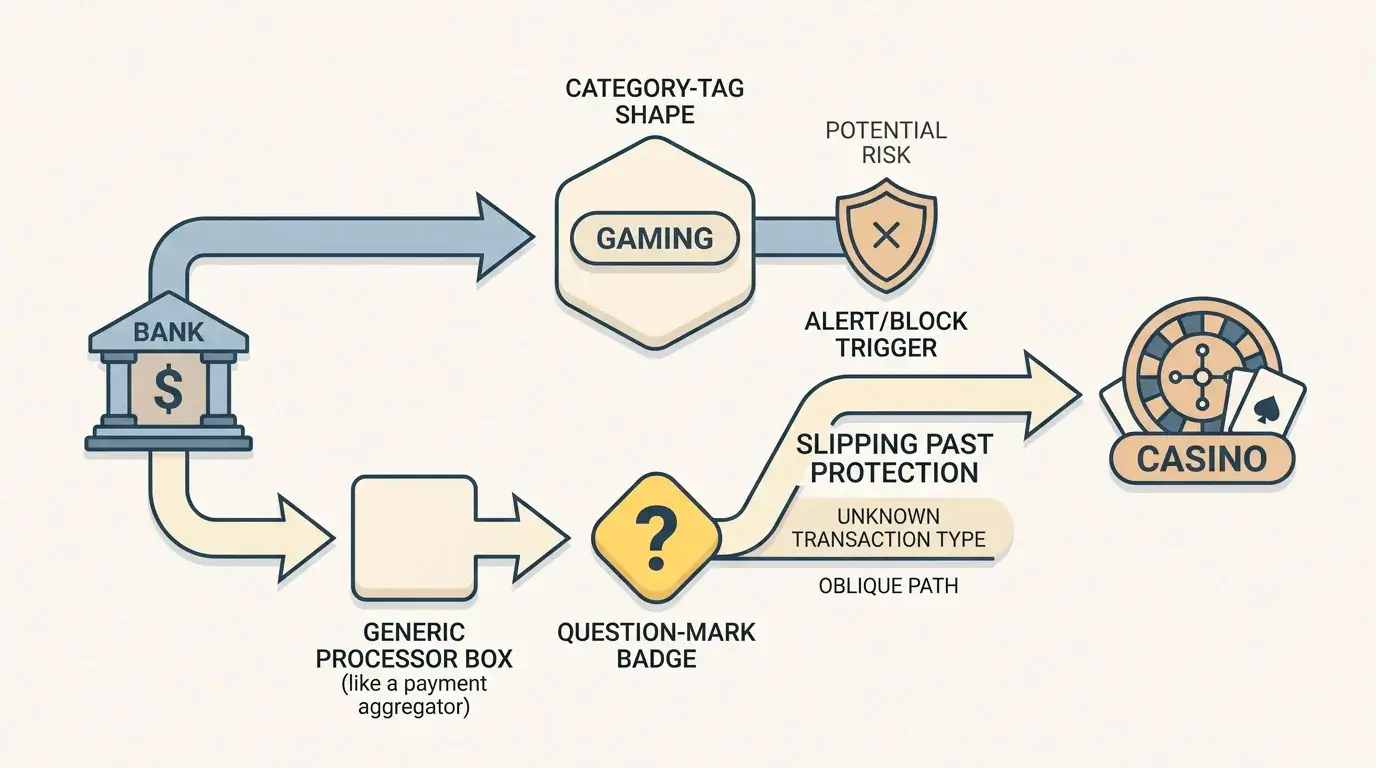
None of this is theoretical. GamCare advisers raise it openly in their guidance on layering protections at gamcare.org.uk, and bank-block research from independent UK academic centres documents the same gap.
Why is merchant-code masking the central weakness?
The bank block is well designed for a world where every gambling operator wants to be seen as a gambling operator. UKGC-licensed sites are in that world. Some non-GamStop operators are not.
Two things make masking attractive on an offshore site. More transactions clear if the bank’s filter does not see them. And UK card schemes increasingly push back against operators they associate with high-risk processing, giving the operator a reason to keep moving providers.
The result is that the same casino can appear on bank statements under different descriptors over time, depending on which processor it is using that month. A reader who keeps screenshots of deposits can track this pattern in their own records.
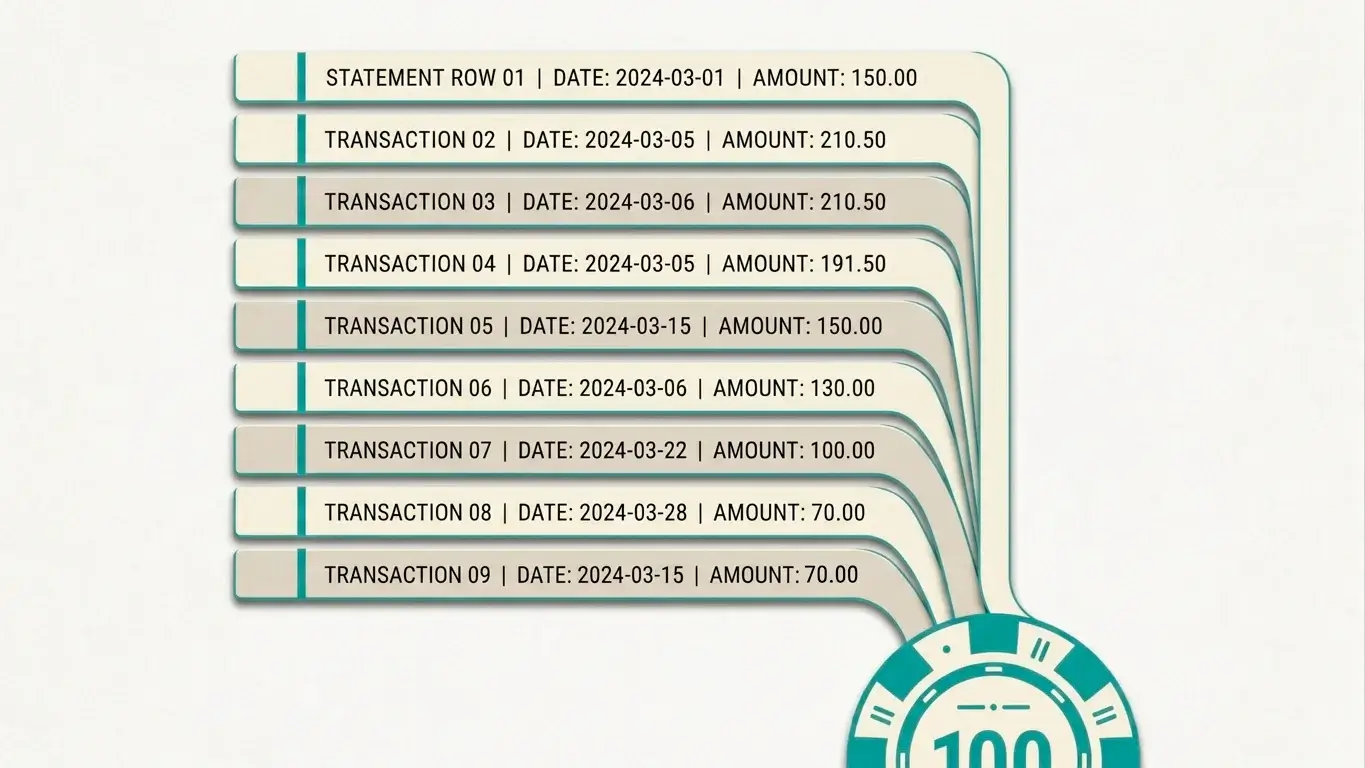
The blunt conclusion: a bank gambling block is part of the answer, not the answer. Anyone relying on it alone against a non-GamStop site will eventually find a route that clears, and the moment it does, the block has not really protected the player. That is exactly the problem TalkBanStop was built to solve.
What is TalkBanStop, and why does GamCare push layering?
TalkBanStop is a partnership between GamCare (which runs the National Gambling Helpline), Gamban (which makes gambling-site blocking software), and GamStop (the UK online self-exclusion scheme). It has been running since late 2020, with a multi-year funding commitment from GambleAware.
The model is openly built around the fact that no single tool catches everything. GamStop blocks UK-licensed sites. Gamban blocks domains across UK and offshore sites at the device level. A bank gambling block catches card transactions at the rails. Combined, they close most failure routes.
Talk: the National Gambling Helpline (GamCare)
Free, confidential, 24/7 phone, live chat and WhatsApp support on 0808 8020 133, with trained advisers who can also issue the free Gamban licence below. See gamcare.org.uk.
Ban: Gamban blocking software
An app that blocks access to thousands of gambling websites and apps across multiple devices, including offshore sites that GamStop does not reach. A free licence is available to anyone who contacts the National Gambling Helpline.
Stop: GamStop self-exclusion
National online self-exclusion for UKGC-licensed operators. Free registration for fixed terms at gamstop.co.uk. The terms cannot be shortened or lifted early; see the official removal route for what happens at the end.
GambleAware’s evaluation of TalkBanStop, conducted independently, found that combining the three layers is more effective than using any one in isolation. That is the design principle: redundancy over a single point of failure. gambleaware.org publishes the supporting research alongside its broader treatment-network material.
How do you set up the three layers in practice?
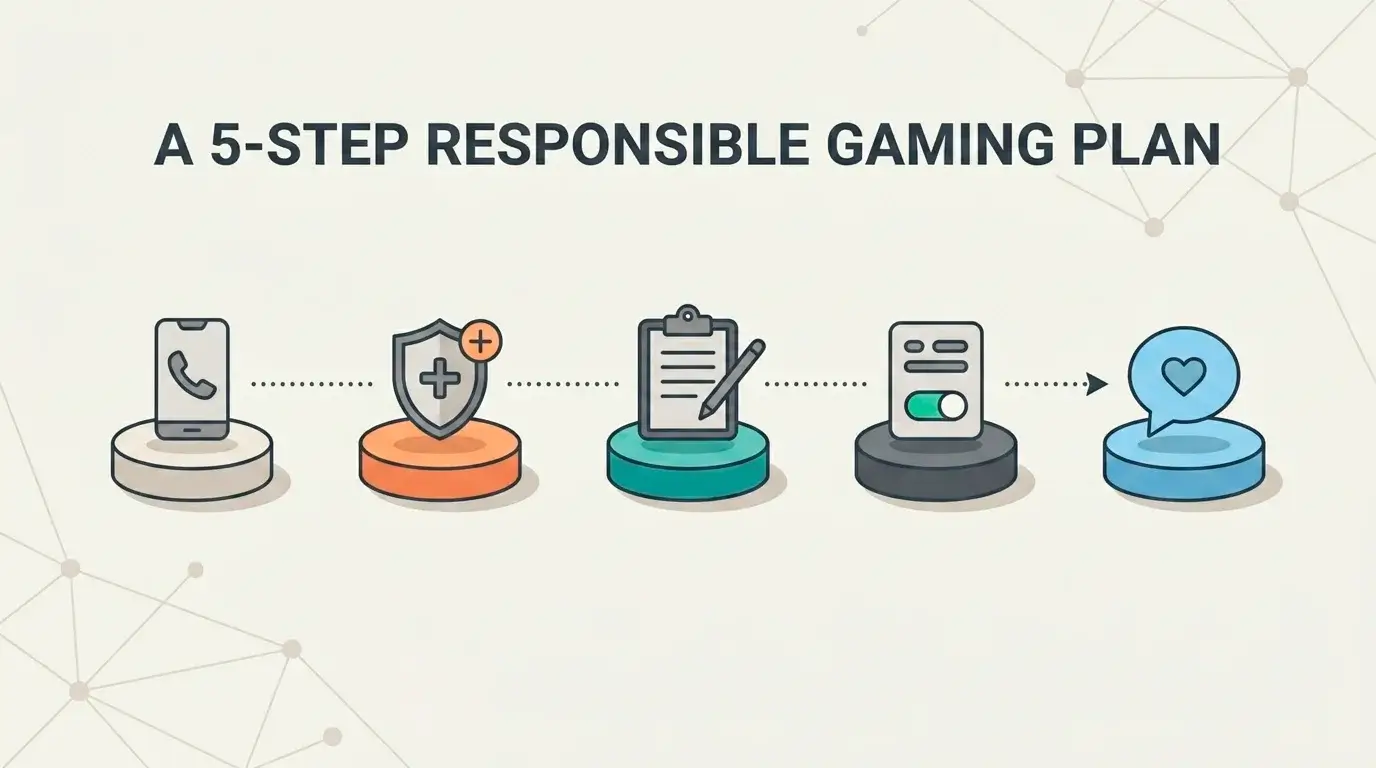
The order matters less than the completeness. A practical sequence most people can finish in a single afternoon looks like this.
- Call the National Gambling Helpline on 0808 8020 133. The adviser will talk through your situation and, if appropriate, issue the free Gamban licence then and there.
- Install Gamban on every device you actually use. Phone, tablet, laptop. The free licence covers up to 15 devices.
- Register with GamStop. Pick a term you mean to commit to. It cannot be shortened or lifted early, so choose accordingly.
- Switch on your bank’s gambling block. Open Card Controls in your banking app, enable the gambling toggle. Repeat for any second account or credit card.
- Tell someone you trust. Not required, but most relapse plans assume social support; a brief conversation adds friction to a future quiet decision.
The five steps protect against different failure modes: a UK-licensed site (GamStop), a non-GamStop site that opens in your browser (Gamban), a card transaction that slipped through to a misclassified processor (bank block), and a moment of doubt at midnight (helpline plus a person who knows).
If you came in self-excluded and were considering a non-GamStop site, the right reading order is leaving GamStop properly first, then the steps above. Neither one of them recommends an offshore deposit.
How should you read the bank-block question properly?
Bank gambling blocks are real protection against a clearly defined set of card transactions, and they should be on by default for anyone who has felt gambling start to slip. They are not a sealed perimeter against a non-GamStop site that has chosen its processors to avoid them.
Ending an exclusion properly: the official route out.
The right way to use a block is as one of three layers, not the only layer. That is what TalkBanStop is for, and what GamCare’s advisers will walk through on a free call.
For the payment picture, see how payments work. For the operator-side risks, see fund-safety risk. The questions answered page gathers the short answers in one place. For the broader picture, go back to the main guide.
This material was created by the GamStop Navigator Slots team.
Related posts
Casinos not on GamStop: your questions answered
How safe are casinos not on GamStop, and what about KYC?